Representatives Adam Smith (D-WA) and Raja Krishnamoorthi (D-IL) on October 2, 2026, announced the reintroduction of a bill to help work-authorized immigrants overcome barriers to entering nursing and allied health professions in the United States.
The Immigrants in Nursing and Allied Health Act aims to address the notion that many immigrants already living and working in the United States possess valuable skills and experience that are not fully utilized because of training, credentialing, financial, or other workforce-entry barriers; it would help work-authorized immigrants overcome such barriers to entering nursing and allied health professions.
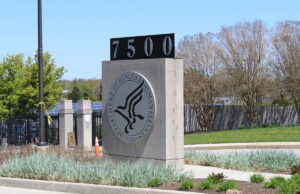
Specifically, it would establish a grant program through the Department of Health and Human Services (HHS) to support education, training, licensure, certification, English-language instruction, and other workforce integration activities for immigrants pursuing healthcare careers.
Introduced in previous Congresses, the bill complements another proposal introduced earlier this year by the same cosponsors, the Welcome Back to the Health Care Workforce Act, a bipartisan bill reintroduced on July 16, 2026 that would create a grant program to help internationally educated healthcare professionals navigate credentialing, licensing, and workforce integration challenges.
While the Welcome Back bill focuses primarily on individuals who already possess healthcare education and training from another country, the Immigrants in Nursing and Allied Health Act takes a broader approach by supporting immigrants seeking to enter nursing and allied health professions, regardless of previous education and training.
For LeadingAge members, both bills are noteworthy because they seek to unlock talent that is already present in the United States rather than creating new immigration pathways.
LeadingAge supports the Immigrants in Nursing and Allied Health Act as part of its broader workforce policy agenda. Alongside efforts to modernize training and credentialing systems, expand apprenticeship and career pathway opportunities, and improve legal immigration pathways, the legislation represents another approach to growing the aging services workforce and helping providers address persistent staffing shortages.


 TEP Report Hints At Home Health Value Based Purchasing Potential Changes