
Telehealth and Remote Patient Monitoring for Long-Term and Post-Acute Care: A Primer and Provider Selection Guide
Contents
1. Purpose of White Paper and Executive Summary
1.1 Purpose of White Paper
1.2 Executive Summary
1.3 Disclaimer
2. Definitions
2.1 Information and Communication Technology (ICT) Infrastructure
2.2 Electronic Documentation Technologies
2.2.1 Electronic Health Record (EHR)
2.2.2 Electronic Medical Record (EMR)
2.2.3 Personal Health Records (PHR)
2.2.4 Health Information Technology (Health IT)
2.2.5 Electronic Point of Care (POC)/Point of Service (POS) Documentation Systems
2.3 Safety Technologies
2.4 Health and Wellness Technologies
2.4.1 Telehealth, Remote Patient Monitoring (RPM) and Telemedicine
2.4.2 Telecare/Telemonitoring/Behavioral Monitoring Capabilities
2.5 Clinical Decision Support (CDS) Systems
2.6 Social Connectedness Technologies
3. Vision of Technology-Enabled Care and Continuum of Monitoring
3.1 Vision for Technology-Enabled Care
3.2 Continuum of Monitoring Technologies and Their Value
3.2.1 Safety Monitoring Technologies
3.2.2 Health and Wellness Monitoring Technologies
3.2.3 Scope and Focus
4. Potential Uses of Telehealth and RPM
4.1 Patient Education and Self-Management
4.2 Pre- and Post-Acute Management of Chronic Conditions
4.3 Post-Acute Patient Stabilization
4.4 Long-Distance Routine Check-Ups/Treatment
4.5 Specific Teleconsult
5. Benefits of Telehealth and RPM
5.1 Health Outcomes/Improved Management
5.2 Reduction in Hospitalizations and Hospital Readmissions
5.3 Patient Self-Efficacy, Quality of Life, and Satisfaction
5.4 Physician Engagement Key to Success
5.5 Caregivers’ Workload and Efficiencies
5.6 Reduced Risk and Liability
6. Potential LTPAC Provider Business Models
6.1 Medicare Coverage
6.1.1 Medicare Reimbursement of Home Telehealth
6.2 Medicaid Coverage
6.3 Private Health Insurance Coverage
6.4 Medicaid Waiver Coverage
6.5 Potential Affordable Care Act (ACA) Opportunities
6.6 Private Pay
6.7 Standard of Care and Other Payment Sources
6.8 Return on Investment (ROI) of Telehealth and RPM
6.8.1 ROI to Patients and/or their Families
6.8.2 ROI to Payers
6.8.3 ROI to Care Provider
6.8.4 Online ROI Calculator
6.9 Federal Telehealth Compendium
7. Planning for Telehealth and RPM Solutions
7.1 Visioning and Strategic Planning
7.2 Organizational Readiness Assessment
7.2.1 Staff Competencies
7.2.2 IT Infrastructure
7.2.3 Operating Environment
7.3 Operational Planning
7.3.1 Project Team
7.3.2 Goal Setting
7.3.3 Program Design
7.4 Technology Review and Selection
8. Telehealth and RPM Selection Matrix Components
9. Acknowledgement of Contributors
9.1 Contributing Writers
9.2 Workgroup Members
9.3 Participating Telehealth and RPM Vendors
10. References and Resources
1. Purpose of White Paper and Executive Summary
1.1 Purpose of White Paper
This white paper updates our original 2013 white paper. The purpose of this paper is to aid LeadingAge and CAST members, long-term and post-acute care (LTPAC) providers, and other aging services organizations in understanding telehealth and remote patient monitoring (RPM) technologies, as well as these technologies’ uses and benefits.
The purpose is to help aging services organizations understand telehealth and remote patient monitoring (RPM) technologies.
Case studies that highlight the following were collected:
- Providers’ impacts,
- Benefits of telehealth and RPM on health outcomes (blood pressure, blood glucose, etc.),
- Staff efficiencies,
- Quality of life/satisfaction with care,
- Hospitalizations and hospital readmissions, and/or
- Cost of care and return on investment (ROI) to providers, payers, and/or consumers.
These case studies will be published separately approximately one month after the release of this paper.
This white paper is available in a PDF format as a living document with links. CAST plans to update the Telehealth and RPM Selection Matrix annually. Finally, the Telehealth and RPM Selection Matrix were used to create CAST’s Online Selection Toolto simplify and facilitate the process of selecting a telehealth and RPM solution for LTPAC providers. The online tool will be updated as needed.
This white paper and the companion Telehealth and RPM Selection Matrix, Online Selection Tool, and case studies continue CAST’s efforts to produce hands-on tools that help LTPAC providers adopt appropriate aging services technologies. With the right technologies, providers can deliver innovative care delivery models, form strategic partnerships, meet the needs of older adults, and prepare for the future.
1.2 Executive Summary
This paper begins with definitions to help the reader understand the terms used throughout the white paper. Then it delves into the vision of technology-enabled care and the continuum of monitoring. Next, the white paper explains the potential uses of telehealth and RPM, including the following:
- Patient education and self-management.
- Pre- and post-acute management of chronic conditions.
- Post-acute patient stabilization.
- Long-distance routine check-ups/treatment.
- Specific teleconsults.
The paper delves into the vision of technology-enabled care and potential business models.
Section 5 reviews evidence of telehealth and RPM’s benefits, including improved health outcomes and fewer hospitalizations and hospital readmissions. Section 6 explains potential LTPAC provider business models, including Medicare, Medicaid, Medicaid Waiver, and private insurance coverage. In addition, that section shares potential opportunities related to the Affordable Care Act (ACA). It concludes with a discussion about return on investment (ROI) for telehealth and RPM and links to an online ROI calculator.
An overview helps organizations prepare through strategic planning.
Section 7 reviews the planning process for telehealth and RPM solutions. This overview helps organizations prepare through visioning and strategic planning—looking at organizational readiness, operational planning, and technology review and selection. It also walks providers through the must-have attributes, functionalities, and features they need to consider before using the CAST Telehealth and RPM Selection Matrix and Online Selection Tool.
The white paper concludes with a description of the components of the Telehealth and RPM Selection Matrix, which appears in section 8. The Online Telehealth and RPM Selection Tool includes key information from this matrix. Both guide LTPAC organizations through questions that narrow their selections to a manageable list of products that meet their business line, care applicability needs, and essential requirements.
1.3 Disclaimer
The information included in this paper is meant to help care providers understand and select telehealth and remote patient monitoring (RPM) solutions, but it cannot possibly include all systems that may be available. Products mentioned in this paper serve as illustrative examples. Participating telehealth and RPM vendors provided information about the products’ functionalities and capabilities. A few telehealth and RPM vendors chose not to participate. Functionalities and capabilities of listed telehealth and RPM products have not been verified, tested, independently evaluated, or endorsed by LeadingAge or LeadingAge CAST. Please use this information as a general guideline to understand functionalities and examples of current telehealth and RPM systems. The Telehealth and RPM Selection Matrix may help providers identify potential telehealth and RPM solutions that may meet their requirements, and it is intended to help providers target vendors to invite to submit a Request for Proposal (RFP). Where appropriate, provider case studies were identified and published separately. However, providers are strongly advised to verify functionalities of the telehealth and RPM solutions prior to final selection through demonstrations, site visits, reference checking, and other due diligence steps.
2. Definitions
2.1. Information and Communication Technology (ICT) Infrastructure
Information and Communication Technology (ICT) Infrastructure includes high-speed Internet connectivity, wired/wireless networks (switches, routers, repeaters), servers, laptop/desktop computers, cloud-based information systems, mobile communications device, etc.
Electronic documentation technologies are for health care professionals and professional caregivers.
2.2. Electronic Documentation Technologies
Electronic documentation technologies are mainly aimed at health care professionals and professional caregivers. They include electronic health records (EHR), point of care (POC), point of services (POS) systems, electronic prescribing (ePrescribing), electronic medication administration records (eMAR), electronic charting, and electronic workflow and documentation systems. Some EHR systems offer the individual and/or an authorized family member access to health information on a patient portal or a personal health record (PHR).
2.2.1. Electronic Health Record (EHR)
An EHR is a longitudinal electronic record of patient health information generated by one or more encounters in any care delivery setting. An EHR includes patient demographics, progress notes, problems, medications, vital signs, past medical history, immunizations, laboratory data, and radiology reports. The EHR automates and streamlines the clinician’s workflow. The EHR has the ability to generate a complete record of a clinical patient encounter – as well as supporting other care-related activities directly or indirectly via interface – including evidence-based decision support, quality management, and outcomes reporting.1
2.2.2. Electronic Medical Record (EMR)
An EMR is an electronic record of health-related information on an individual authorized clinicians and staff within a single health care organization can create, gather, manage, and consult.2
An EMR is an application environment composed of the clinical data repository, clinical decision support, controlled medical vocabulary, order entry, computerized provider order entry (CPOE), pharmacy, and clinical documentation applications. This environment supports the patient’s EMR across inpatient and outpatient environments, and health care practitioners use it to document, monitor, and manage health care delivery within a care delivery organization (CDO). The data in the EMR is the legal record of what happened to the patient during his or her encounter at the CDO, and the CDO owns it.3
2.2.3. Personal Health Records (PHR)
A PHR is a universally accessible, layperson-comprehensible, lifelong tool for managing relevant health information. It promotes health maintenance and assists with chronic disease management via an interactive, common data set of electronic health information and e-health tools. The PHR is owned, managed, and shared by the individual or his or her legal proxy(s) and must be secure to protect the privacy and confidentiality of the health information it contains. It is not a legal record unless so defined and is subject to various legal limitations.4 Some EHRs let patients/consumers view their records through web portals or export data to a PHR.
2.2.4. Health Information Technology (Health IT)
Health IT encompasses a broad array of technologies involved in managing and sharing patient information electronically, rather than through paper records. Health IT performs information processing using both computer hardware and software for the entry, storage, retrieval, sharing, and use of health care information.5 EHR, EMR and PHR are examples of health IT.
2.2.5. Electronic Point of Care (POC)/Point of Service (POS) Documentation Systems
Electronic point of care (POC)/point of service (POS) documentation systems allow the nurse, physician, aide, or other provider to enter information into an electronic record during or immediately after visits with clients/residents through kiosks, tablet computers, hand-held devices, etc.
2.3. Safety Technologies
Safety technologies include technologies for emergency call and personal emergency response systems (PERS), fall detection and prevention technologies (bed and chair alarms), environmental monitoring (temperature, carbon monoxide, flood, smoke, and fire alarms), access control, wander management, unattended stove shut-off systems, and the like.
2.4. Health and Wellness Technologies
Health and wellness technologies include health promotion technologies, behavioral and health status monitoring systems, telehealth and telemedicine systems, and medication management technologies, which focus on the physical health and wellness of seniors. In addition, cognitive assessment technologies, reminder systems and cognitive monitoring, and stimulation technologies, which focus on the mental health and wellness of seniors, are also classified under this category. Finally, these technologies include physical exercise and rehabilitation technologies.
Telehealth, remote patient monitoring (RPM) and telemedicine refer to interaction between providers and patients in different locations.
2.4.1. Telehealth, Remote Patient Monitoring (RPM) and Telemedicine
Telehealth, remote patient monitoring (RPM) and telemedicine capabilities are defined as the use of electronic communication and information technologies to allow interaction between providers and patients in different locations (e.g., wound consultation by a physician at an offsite location using audiovisual equipment, monitoring blood pressure, etc.).
Telehealth includes using phones, fax, email, videoconferencing, and RPM devices to collect and transmit data for monitoring and interpretation.
2.4.1.1. Telehealth
Telehealth can be defined broadly as the use of electronic information and telecommunications technologies to provide access to health assessment, diagnosis, intervention, consultation, supervision information, and education across a distance.6, 7Telehealth technologies include telephones, facsimile machines, electronic mail systems, videoconferencing, and RPM devices, which are used to collect and transmit data for monitoring and interpretation. Common applications of telehealth include two types of services:
- Clinical services such as teleradiology, in which test results are forwarded to another facility for diagnosis, and home monitoring to supplement home visits from nursing professionals.
- Non-clinical services such as continuing professional education, including presentations by specialists to general practitioners.8
There are two primary modes of delivering telehealth:
2.4.1.1.1. Store-and-Forward (Asynchronous):
In store-and-forward telehealth, clinical information (e.g., data, images, sound, video) is captured locally. Then it is temporarily stored for transfer at a later time as encrypted e-mail or messages using specially designed store-and-forward communications modems and software. The information goes to a secure web server or EHR via phone lines or a high-speed internet connection (including DSL, ADSL, cable, fiber-optic or cellular modems). The consulting provider then reviews the stored data and makes diagnosis, treatment, and planning recommendations.9
2.4.1.1.2. Real-Time Interactive Systems (Synchronous):
Real-time telehealth sessions are live and interactive, and they frequently use videoconferencing technologies. Often, a nurse or technician uses special instruments such as a video otoscope (to examine the ear) or an electronic stethoscope at the consulting provider’s direction to perform a physical examination remotely.10 Or, real-time communication may be a patient and a nurse practitioner consulting with a specialist via a live audio/video link, or a physician and a patient in an exam room communicating through an interpreter who is connected by phone or webcam.
RPM enables patient monitoring and transfer of patient health data to a health care provider.
2.4.1.2. Remote Patient Monitoring (RPM)
Remote patient monitoring (RPM) is a type of home telehealth that enables patient monitoring as well as transfer of patient health data to a health care provider. To capture data, these technologies use a variety of wired or wireless peripheral measurement devices such as blood pressure cuffs, scales, and pulse oximetry, and they are most often used after a hospital discharge or between routine office visits. Some technologies also permit video interaction/chat between the patient and health care professional in real-time. These systems can prompt users to enter answers to targeted questions, and then use this information for data interpretation, provision of educational materials, and instructions such as scheduling an office visit or going to the nearest emergency room.
Similarly, these systems can transmit user-entered data, store the data in secure records systems accessible to clinicians, flag abnormal readings or responses, and alert clinicians to abnormalities via e-mail or text messages. In response to these alerts, clinicians can log into the system, review data, follow up with patients, or take other appropriate actions. Some systems have the capacity to connect patients with additional resources such as PHR or EMR, targeted educational materials, interactive self-care tools, medication optimization technologies, and health care providers. Although applications of RPM technologies are often used in the home setting, these technologies have been pilot-tested in congregate settings such as community-based senior centers.11
While “telehealth” and “telemedicine” are used interchangeably, telemedicine more narrowly means the delivery of remote clinical services using technology.
2.4.1.3. Telemedicine
Formally defined, telemedicine is the “use of medical information exchanged from one site to another via electronic communications to improve a patient’s clinical health status.” Two-way video, email, smart phones, and wireless tools are examples of a growing variety of telemedicine applications and services.12 While the terms “telehealth” and “telemedicine” are often used interchangeably, telemedicine can be more narrowly defined to mean the delivery of remote clinical services using technology. Examples of telemedicine include a physician’s review of a patient’s digital images (e.g., x-rays, CT scans, MRI) via a computer, a physician consult done via a web conference, or telepharmacy whereby pharmacy technicians can prepare prescriptions under the supervision of a remote qualified pharmacist.
2.4.2. Telecare/Telemonitoring/Behavioral Monitoring Capabilities
Telecare/telemonitoring/behavioral monitoring capabilities technologies include sensors to monitor functional abilities, activities of daily living, behaviors, sleep patterns, etc.
Clinical decision support (CDS) systems present filtered and timely information to enhance health care.
2.5. Clinical Decision Support (CDS) Systems
Clinical decision support (CDS) systems provide clinicians, staff, patients, or other individuals with knowledge and person-specific information, intelligently filtered or presented at appropriate times, to enhance health and health care. CDS encompasses a variety of tools to enhance decision-making in the clinical workflow. These tools include the following:13
- Computerized alerts and reminders to care providers and patients.
- Clinical guidelines.
- Condition-specific order sets.
- Focused patient data reports and summaries.
- Documentation templates.
- Diagnostic support.
- Contextually relevant reference information.14
CDS systems offer sophisticated functions that provide decision support as a functionality of broader health IT systems, including EMRs, EHRs, health information exchange (HIE), and telehealth.
Social connectedness technologies connect seniors with family and friends.
2.6. Social Connectedness Technologies
Social connectedness technologies include special phones (amplified, large-button, and memory phones) and easy-to-use/simplified cell phones. These phones may offer, in addition to basic communication functionality, different communication modalities such as video reminders and multimedia messaging to keep seniors connected with family and friends. Senior-friendly social networking websites, easy-to-use email systems, e-mail-to-paper communications systems, easy-to-use video phones, and video conferencing systems also fall into this category. Some of the computer-based cognitive and/or physical stimulation technologies may also provide an opportunity to connect with peers, particularly in congregate living settings.
3. Vision of Technology-Enabled Care and Continuum of Monitoring
3.1 Vision for Technology-Enabled Care
Care professionals perceive that information technologies in the care environment have added value on the levels of administration, integration of services, care quality, and professionalism.15 It can be argued that a new paradigm for technology-enabled geriatric care can emerge with more integrative technologies. For example, the activities and selected physiological parameters of an older adult can be monitored in his or her town living setting through sensors embedded in the environment or other objects, wearable monitoring technologies, telehealth devices, and other technologies.
The environment is the place the older adult calls home. It may be the person’s house or apartment in the community or a residence provided by an aging services provider—a continuing care retirement community, an independent living apartment, assisted living, or even a skilled nursing facility. Safety, activity, physiological, health, and socialization data can be analyzed, archived, and mined. This data can help caregivers detect indicators of early disease onset, deterioration, or improvement in health conditions at various levels. The care delivery diagram in Figure 1 illustrates the process.
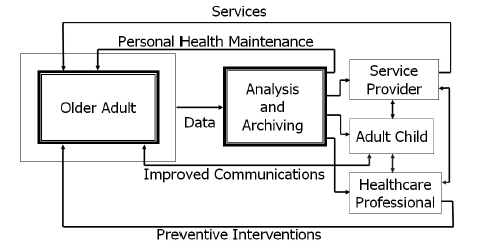
Figure 1. Model for the Technology-Enabled Geriatric Care Paradigm.
Data analysis results, at various levels, can be made available to all stakeholders in the care process, including the monitored older adults, their professional caregivers, informal caregivers, and primary health care providers. By integrating data into an EMR or PHR, authorized caregivers can access results at any time.
The monitored individual can use the analysis results in personal wellness and health maintenance (e.g., diet, exercise), or self-management of chronic conditions (e.g., biometric readings, medication management). Informal caregivers will get objective assessment of their loved one’s ability to remain independent and peace of mind when everything is fine. This reassurance will eliminate questioning and role reversal between older adults and their adult children and would increase the social content of their communications. This communication will improve the quality of life for both parties, as well as reduce unnecessary early institutionalization of older adults driven by the anxiety of their children.
When the older adult needs assistance in some of his or her activities of daily living (ADLs)i or instrumental activities of daily living (IADLs),ii professional caregivers accessing the reports will have an objective assessment of the older adult’s actual needs and can determine the appropriate care package. Caregivers can coordinate, dispatch, and track the delivery of care and services to monitored older adults who live in the community, via home care agencies (e.g., Meals on Wheels, bathing), and for older adults who live in a continuum of care facility, via on-site direct care workers.
Primary health care providers can perform an educated evaluation of the monitored older adult’s health that is more objective based on trending health data, and more comprehensive than the “snapshot” assessment obtained during an annual physical examination. They may be able to detect the early onset of disease and prescribe appropriate interventions, including preventive interventions. They also can monitor the efficacy of these interventions objectively and longitudinally.
Finally, enabling all authorized stakeholders to access the analysis of the same objective data is expected to improve the communication among them and enhance coordination. For example, it may help the aging services provider and the adult child decide the most appropriate care package for the older adult.
This paradigm exploits the technical capabilities of embedded sensing, ambient intelligence,iii interoperability,iv and interconnectivity among different devices in the home, as well as other information and communication technologies. Together, these technologies yield automated continuous assessment, documentation, and communication. It enables a network of professional and informal caregivers to coordinate and deliver high-touch care when needed. The paradigm is expected to prolong and enhance the independence of seniors, delay their transition to nursing facilities, and thereby reduce the overall cost of care.16
Table 1 summarizes the technical capabilities of the technology and the resulting value utility of this paradigm for seniors, caregivers in their network, and payers.
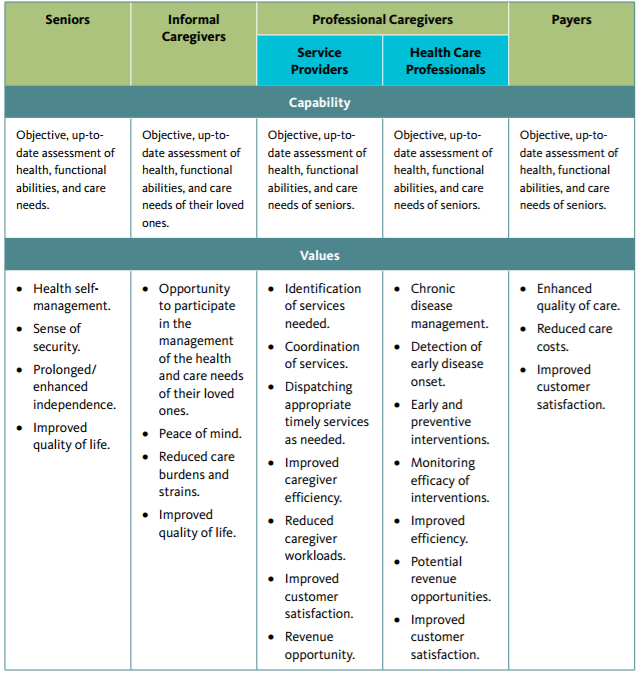
Table 1. Technical Capabilities and Potential Value for the Technology-Enabled Care Paradigm for Seniors and Caregivers in Their Network.
3.2. Continuum of Monitoring Technologies and Their Value
The continuum of technologies that enable this vision of care includes safety monitoring, as well as health and wellness monitoring technologies. The latter covers telehealth, biometric RPM, medication management/monitoring, and telecare/telemonitoring/behavioral monitoring.
Safety monitoring technologies improve security, independence, and quality of life.
3.2.1. Safety Monitoring Technologies
Safety monitoring technologies provide an enhanced sense of security, prolonged independence, and improved quality of life. They have the potential to improve health outcomes for seniors. They provide peace of mind and reduce the strains of informal/family caregivers. These technologies also have the potential to improve the quality of care and reduce liability for care providers.
Finally, safety technologies have the potential to improve care quality and reduce health care costs for payers and society in general.
Health and wellness monitoring technologies offer better health outcomes and lower costs.
3.2.2. Health and Wellness Monitoring Technologies
Health and wellness technologies include health monitoring and promotion technologies, behavioral and health status monitoring systems, telehealth, RPM and telemedicine systems, and medication management technologies, which focus on the physical health and wellness of seniors.
These technologies offer anticipated value propositions such as better health outcomes for seniors and reduced health care bills for payers. These technologies may provide coordination of care, reduced professional caregiver workloads, increased caregiver efficiency, longitudinal data, peace of mind for informal/family caregivers, and reduced informal caregiver burdens and strains.
3.2.3. Scope and Focus
This CAST white paper focuses on telehealth and biometric RPM only. It does not cover the following:
- Safety monitoring.
- Telecare/telemonitoring of activities/behavioral telemonitoring.
- Medication management/monitoring.
CAST recognizes the importance of all these technologies and acknowledges that the lines separating these categories of technology are sometimes blurred because some telehealth and RPM technology platforms may integrate with—or offer applications or functionalities for—safety, behavioral monitoring, or medication management.
CAST will consider dedicating white papers, selection matrices, and online selection tools to these other categories of technology based on providers’ interest and demand for such tools. However, the selection matrix of telehealth and RPM products will include information about these products’ ability to interface to or integrate with safety monitoring, telecare, and medication monitoring technologies, as well as EHRs.
Finally, the white paper and Telehealth and RPM Selection Matrix are followed with an Online Selection Tool. This tool will expedite the process of narrowing down potential solutions and identifying vendors to invite to participate in a Request for Proposal (RFP). A set of case studies outline the benefits providers experienced and the lessons they learned when implementing telehealth and RPM solutions.
This white paper and the companion Telehealth and RPM Selection Matrix, Online Selection Tool, and case studies continue CAST’s efforts to produce hands-on tools that help LTPAC providers adopt appropriate aging services technologies. These materials will enable providers to offer innovative care delivery models and will position them well for strategic partnerships and the future. Telehealth and RPM technologies were the second enabling technology identified in the CAST Strategic Scenario Planning exercise. (Please see A Look into the Future: Evaluating Business Models for Technology-Enabled Long-Term Services and Supports.)
4. Potential Uses of Telehealth and RPM
4.1 Patient Education and Self-Management
Telehealth and RPM can be used as a tool not only to reinforce disease-specific education but also to help instill some of the concepts required for self-management—like the importance of taking medications regularly as prescribed and implications of lifestyle choices such as smoking, diet, and exercise, on the individual’s vital signs and condition in general. The variety of educational materials and delivery options available differ with telehealth solutions. All patient education should consist of the following:
- Evidence-based care materials.
- Recommended self-management best practices.
- Chronic care management principles.
Together, these will provide consistent disease- or condition-specific education that promotes health, wellness, independence, and safety in the home.
In addition, self-management helps individuals with chronic conditions recognize symptoms of exacerbation of their condition and identify what and when to report so that the provider or clinician can make the appropriate interventions in a timely manner. With regular use of telehealth and RPM solutions and the use of data, benchmarks can be established, and individuals can trend and track their readings themselves, noting when they are outside acceptable ranges.
When evaluating technology, it is important to keep in mind that what helps people learn most effectively differs from one person to another. Some technologies offer visual, audio, and video education to help support different learning needs and abilities.
4.2. Pre- and Post-Acute Management of Chronic Conditions
Telehealth and RPM can provide a means for clinicians to collect vital signs and other data to follow patients between formal interactions with the health care system (physician office and hospital visits). This regular tracking of vitals and daily disease condition monitoring gives clinicians an opportunity to perform early intervention, such as medication titration, that aim to improve chronic disease management by attending to exacerbations, avoiding the worsening of the condition, and preventing the disease from progressing, thereby reducing unnecessary emergency department visits, hospitalizations, and associated costs.
Regular tracking of vitals and daily disease condition monitoring gives clinicians an opportunity to intervene early.
Similarly, telehealth and RPM can be effective in stabilizing, following, and managing individuals with chronic conditions after an acute episode such as an emergency department, hospital, or physician visit, and it can help shorten hospital stays. Telehealth and RPM can be used after hospital discharge to reinforce the discharge plan instructions with daily monitoring. It also can allow individuals and their clinicians to take steps to prevent a second exacerbation and avoid unnecessary hospital readmissions.
4.3. Post-Acute Patient Stabilization
To help with post-acute patient stabilization, telehealth and RPM is used daily to monitor disease conditions and detect exacerbation. In theory, telehealth and RPM can keep eyes and ears on patients every day to track conditions; this can be done through biometric data, specific check-in data, and environmental sensors (if available).
Telehealth and RPM allow for recognition of key indicators that put the individual at risk for readmission, including medication non-adherence, and provides a means for follow-up communication among multiple care providers (e.g., primary care physician, hospitalist, home and community-based care provider). Care providers can also use telehealth and RPM to provide reminders for treatment and coordinate care with other providers who may support the individual.
Telehealth and RPM have a much larger penetration in post-acute care as compared to ambulatory care patients. Most patients are only considered for home monitoring after hospital discharge to prevent readmission. In the U.S., for example, 140,000 post-acute patients were estimated to have been monitored by telehealth in 2012, as compared to 80,000 ambulatory patients.17
4.4. Long-Distance Routine Check-Ups/Treatment
Telemedicine, telehealth, and RPM improve access to health care and benefit individuals who live in rural areas, are homebound, or have transportation or other obstacles to accessing traditional delivery of health services to receive routine check-ups and treatment services.18
These technologies improve access to health care and benefit individuals who live in rural areas or are homebound.
In addition to improved access, telemedicine, telehealth, and RPM offer potential cost reductions for patients, as well as health care professionals (e.g., mileage for home health nurses) because of the ability to target visits as needed.
4.5. Specific Teleconsult
The standard face-to-face method for the delivery of medical care is the preferred means of evaluation and treatment for most health care professionals. Nevertheless, there are times when this type of interaction may not be necessary or possible. In these circumstances, “remote consultation” has served as an alternative in recent years.
For the scope of this discussion, the use of the term “remote consultation” will refer to all methods where:
- There is an exchange of medical information.
- A formal report is issued.
- A fee is charged for the consultative service.
The term is not only restricted to the use of the Internet, but also will include traditional technologies of information transfer such as mail or facsimile.
There are several reasons that someone may request a remote consultation. The patient (or patient’s family), a clinician in an LTPAC setting, a primary care doctor seeking another opinion for their patient, or a specialist requesting additional expert assistance may initiate it. In these select instances, the use of remote consultation is a “win-win-win-win” concept for the patient, the primary doctor, the specialist, and the remote consultant. In the setting in which a treating physician is willing to take responsibility to assist in the process, appropriate reasons for remote consultation could include the following:
- The patient lives in a remote region where travel would be difficult.
- The patient is hospitalized, institutionalized, or otherwise too ill to travel.
- The history and examination are well-established: There is simply a need for more diagnostic or therapeutic suggestions.
- The diagnosis is known and specific treatment options are requested.
The use of telemedicine technologies like imaging devices can increase the efficacy of the consult. In addition, it can save lives in critical care and emergency situations, allowing clinicians to consult with specialists and more experienced care teams that they would not have access to otherwise.19
Benefits include improved health outcomes, fewer hospitalizations and readmissions, better quality of life, and lower costs for payers and care providers.
5. Benefits of Telehealth and RPM
Improved health outcomes, reduced hospitalizations and readmissions, better quality of life, and reduced costs for both the payer and care provider are all potential benefits of telehealth and RPM. A review of the research conducted thus far, including several meta-analyses on telehealth and RPM, show that its direct benefit may be greatest on chronic disease management. These types of conditions including diabetes, heart disease, chronic obstructive pulmonary disease (COPD), asthma, and hypertension involve frequent monitoring, coordination among care providers, and effective and sustained self-care. Telehealth and RPM technologies can address all of these factors.
Chronic disease is also quite prevalent and very costly in the United States, especially among older adults; chronic disease is the primary cause of death in seven out of 10 deaths and, in 2009, cost an estimated $262 billion in direct health care expenditures. Nearly 92 percent of older adults have at least one chronic condition, and 77 percent have at least two.20
5.1. Health Outcomes/Improved Management
Effectively managing weight, blood pressure, and cholesterol is critical for individuals with diabetes, hypertension and heart disease. Telehealth and RPM can play an important role in assisting patients and care providers in monitoring and tracking these types of vital signs. In fact, several studies have demonstrated that, compared to usual care, diabetic patients receiving RPM and telehealth had greater improvements in glucose control, blood pressure and cholesterol. 21, 22. A review of studies on the effectiveness of blood pressure monitoring among patients with hypertension found that a majority of the studies showed improvement in both systolic and diastolic blood pressures.23
Research shows that telehealth and RPM reduce hospitalizations and readmissions, especially among patients with heart disease and COPD.
5.2. Reduction in Hospitalizations and Hospital Readmissions
Perhaps some of the most promising research conducted thus far has focused on the benefits of telehealth and RPM in reducing hospitalizations and hospital readmissions, especially among patients with heart disease and COPD. For example, one meta-analysis of telehealth studies conducted in 2011 found that, compared to standard care, those patients with heart failure receiving telehealth had a 42 percent reduction in hospitalizations.24 Another study that focused on the impact of telehealth on hospital readmissions found there was a 60 percent reduction in hospital readmissions using RPM compared with standard care, and a 50 percent reduction compared with other disease management programs that did not use RPM. This study concluded that RPM has the potential to prevent between 460,000 and 627,000 heart failure-related hospital readmissions each year.25
The Department of Veterans Affairs (VA) has made a strong commitment to telehealth among its large cohort of veterans by developing a national program called the Care Coordination/Home Telehealth (CCHT) program. The purpose of CCHT is “to coordinate the care of veteran patients with chronic conditions and avoid the unnecessary admission to long-term institutional care.” To that end, the VA has broadly deployed a range of RPM technologies in 50 different health management programs across 18 Veterans Integrated Service Networks and conducted various studies showing improved chronic disease management, cost savings, and reduced hospital admissions and emergency department (ED) visits. Findings from comparative studies conducted on 17,025 patients enrolled in the VA CCHT program in 2006 and 2007 show a 25 percent reduction in bed days of care, 20 percent reduction in numbers of admissions, and a mean satisfaction score rating of 86 percent.26
In addition, two studies focusing on the impact of telehealth and RPM on COPD found promising results. The first study looked at patients with moderate to severe COPD and found that, compared to usual care, case managers’ use of RPM for daily symptom surveillance resulted in a significant decrease in hospital readmission rates as well as a tendency toward fewer hospital days and outpatient visits.27 The second study was a retrospective cohort study using the Veterans Health Administration database of COPD patients enrolled in the CCHT program. Results indicated that 71.5 percent of the CCHT patients had a reduction in the number of ED visits and exacerbations related to COPD requiring hospitalizations after enrollment in the program.28
5.3. Patient Self-Efficacy, Quality of Life, and Satisfaction
The use of educational materials and the delivery of disease-specific self-management tips at the appropriate times through telehealth and RPM can increase the patient’s knowledge, engagement, and self-efficacy. In one study, LaFramboise randomized 103 patients with heart failure to receive the following:
- A telehealth intervention that included RPM, clinician assessment, and feedback with advice or encouragement;
- The telehealth intervention plus home care;
- Home care alone; or
- Telephone care.
Patients using the telehealth intervention had increased self-efficacy, while all groups had equal improvement in health-related quality of life, the six-minute walk test, and depression scores.29 In addition, telehealth and RPM has the potential to positively impact the patient’s quality of life. A review of home telehealth found that, compared to conventional home care or usual care, home telehealth improved access to care, patients’ medical conditions, and quality of life.30
Finally, active and timely response on the part of health care professionals are important and an expected component of the telehealth intervention. Such active/proactive interventions and timely responses, in turn, lead to higher patient satisfaction rates. For example, one study reported that rapid electronic messaging turnaround and replies by physicians increased patient satisfaction (the average turnaround time was 48 hours in this study).31 In fact, the VA’s telehealth program demonstrated a high, 86 percent, patient satisfaction score.25
5.4. Physician Engagement Key to Success
Engaging physicians and health care providers as partners in care beyond the formal interactions with the health care system (office and hospital visits) is vital to improving health outcomes for patients. Telehealth and RPM technology can play a significant role in increasing such engagement and, consequently, the patient’s and family’s satisfaction with care.
A review of 74 studies found that systems were effective when they provided a complete feedback loop.
However, telehealth and RPM may not deliver the anticipated benefits unless physicians and health care providers are involved. In fact, the most important and consistent finding of a review of 74 studies that reported the effect of interactive consumer health IT on health outcomes or health care process measures was that systems were effective when they provided a complete feedback loop.
The review revealed that such a feedback loop included the following:
- Monitoring and transmission of patient status;
- Interpretation of this data by comparison with previously established individual treatment goals or published guidelines;
- Adjustment of medications, diet, or information according to patient status;
- Timely communication back to the patient with tailored recommendations or advice; and
- Repetition of this cycle at appropriate intervals.
These “complete loop” interventions were effective across a wide range of medical conditions, monitoring, and communication technologies, geographical areas, and patients’ socioeconomic status.32
Financial incentives for physicians to review data and engage in telehealth interventions may be key to delivering the expected benefits of telehealth and RPM.11 As discussed above, physician’s responsiveness and proactive interventions can lead to higher patient satisfaction, and tying physicians’ financial incentives to patient satisfaction through the Consumer Assessment of Healthcare Providers and Systems (CAHPS)33 and similar measures is one way to ensure physician engagement.
The ability of group practice physicians to negotiate with hospitals and insurance companies are becoming intimately tied with CAHPS outcomes. Initial studies seem to suggest that physicians who spend more time with their patients and are able to effectively communicate and answer all patient questions tend to have better CAHPS scores.34 There may be an opportunity to study how certain technologies can affect physicians’ and health care providers’ CAHPS outcomes.
Additionally, the accountable, person-centered, and quality-driven managed care era is driving health care providers to focus more on patient outcomes and satisfaction. Physician-led Accountable Care Organizations (ACOs) tend to focus their cost-saving efforts on keeping patients out of the hospital as much as possible. Conversely, hospital-led ACOs often attempt to reduce the costs involved with hospitalizations and hospital readmissions. In both scenarios, telehealth and RPM can play a role in the ACO model. CAHPS is one of the quality measures that will be used to evaluate the performance of the Centers for Medicare & Medicaid Services (CMS) Shared Savings ACO program.35
5.5. Caregivers’ Workload and Efficiencies
Increasing access to health care through telehealth and RPM, especially to patients living in rural areas, has the potential to reduce health care costs and improve efficiencies in a variety of ways including decreasing the number of nurse home care visits, reducing the number of patient transports to hospitals and physician offices, and increasing access to specialists such as wound care experts or pulmonologists.
One study, for example, found that a telehealth intervention utilized by a home health agency reduced the number of home visits by nurses from 8.2 to 5.8 per month.36 Another study found that telehealth store-and-forward technology can eliminate one out of every four in-person visits. And patients can avoid one out of every two clinic visits with real-time consults.37Finally, a recent study published in Health Affairs found that telehealth and RPM can increase care providers’ productivity by decreasing home visit travel time and utilizing automated documentation systems.38
Research found that phone and video consultations on chronic wounds reduce use of nursing home services, transportation, and costs.
Telehealth technologies can also bring efficiencies by reducing patient transportation costs and increasing access to specialists. Remote visits to patients in skilled nursing facilities for wound care, for example, can save transportation costs. In a review of 53 geriatric applications of telehealth, Jennett and colleagues found that telephone consultations to geriatric patients and video consultations related to chronic wounds can be cost-saving because they reduce the use of nursing home services and limit patients’ need for transportation.39 Another study by researchers at the University of Virginia Health System found that telehealth interventions in a long-term care community setting replaced patient transport to a local wound care clinic.40 Furthermore, some research indicates patients may have less need or desire to travel outside the local community for health care services if telehealth services are available.41
Operational efficiency is another important consideration. Many telehealth and RPM solutions operate at very low levels of efficiency because of time-consuming setup and inefficient software solutions. A low level of efficiency is very difficult and costly to scale to large populations. Staffing is often one of an organization’s greatest expenses. Ensuring that the telehealth and RPM solution maximizes operational efficiency, while maintaining efficacy, is a key area to consider.
5.6. Reduced Risk and Liability
Telehealth and RPM, as well as other monitoring technologies, provide a means for detecting arising health issues that would go undetected without the technology. Hence, these technologies can reduce risks and providers’ liability as they generate documentation of events, signs, symptoms, and interventions. This is especially true when these technologies are coupled with policies and procedures about response protocols and responsibilities, clear delineations of responsibilities in contractual and service agreements, and documentation of interventions/actions taken, by whom and when.42
6. Potential LTPAC Provider Business Models
6.1. Medicare Coverage
Under its fee-for-service model, Medicare pays a distant physician or practitioner to furnish a limited number of Part B services to an eligible beneficiary via a telecommunications system. For eligible telehealth services, the use of a telecommunications system substitutes for an in-person encounter.
An originating site is the location of an eligible Medicare beneficiary (patient) at the time the service being furnished via a telecommunications system occurs. Medicare beneficiaries are eligible for telehealth services only if they are presented from an originating site located in a rural Health Professional Shortage Area or in a county outside of a Metropolitan Statistical Area. Entities that participate in a federal telemedicine demonstration project approved by (or receiving funding from) the Secretary of the Department of Health and Human Services as of December 31, 2000, qualify as originating sites regardless of geographic location.
The originating sites authorized by law are all medical facilities. These sites include the following:
- Offices of physicians or practitioners.
- Hospitals.
- Critical Access Hospitals (CAH).
- Rural Health Clinics (RHC).
- Federally Qualified Health Centers (FQHC).
- Hospital-based or CAH-based Renal Dialysis Centers (including satellites).v
- Skilled nursing facilities (SNF).
- Community Mental Health Centers (CMHC).
The patient’s home is not an eligible originating site.
Distant sites from which practitioners furnish telehealth services are not subject to restrictions related to the location or geographic areas. Practitioners at the distant site who may furnish and receive payment for covered telehealth services (subject to state law, including inter-state licensure laws) are as follows:
- Physicians.
- Nurse practitioners (NP).
- Physician assistants (PA).
- Nurse midwives.
- Clinical nurse specialists (CNS).
- Clinical psychologists (CP).
- Clinical social workers (CSW).vi
- Registered dietitians or nutrition professionals.
As a condition of payment, an interactive audio and video telecommunications system that permits real-time communication between the physician or practitioner at the distant site and the beneficiary at the originating site, must be used. Asynchronous store-and-forward technology is permitted only in federal telemedicine demonstration programs conducted in Alaska or Hawaii.43 For a list of Medicare telehealth services, please see the following Telehealth Services fact sheet.
When telehealth is used with patients in nursing homes, payment goes to the distant physician, clinician or practitioner.
It is important to note that when telehealth is used with patients in nursing homes, one of the eligible originating sites, the payment goes to the distant physician, clinician or practitioner.
6.1.1. Medicare Reimbursement of Home Telehealth
Section 1895(e) of the Social Security Act 44 states that telehealth services are outside the scope of the Medicare home health benefit and home health Prospective Payment System (PPS). This provision does not provide coverage or payment for Medicare home health services provided via a telecommunications system (i.e., home telehealth, or RPM are not covered under PPS). The law does not permit the substitution or use of a telecommunications system to provide any covered home health services paid under the home health PPS, or any covered home health service paid outside of the home health PPS. As stated in 42 CFR 409.48(c), a visit is an episode of personal contact with the beneficiary by staff of the home health agency (HHA), or others under arrangements with the HHA for the purposes of providing a covered service.45
However, this provision clarifies that there is nothing to preclude a home health agency from adopting telemedicine or other technologies they believe promote efficiencies, but those technologies will not be specifically recognized or reimbursed by Medicare under the home health benefit. This provision does not waive the current statutory requirement for a physician certification of a home health plan of care under current §§1814(a)(2)(C) or 1835(a)(2)(A) of the Act.46
Within its home health agency manual, CMS states that “an HHA may adopt telehealth technologies that it believes promote efficiencies or improve quality of care.” Telehomecare encounters do not meet the definition of a visit set forth in regulations at 42 CFR 409.48(c), and the telehealth services may not be counted as Medicare-covered home health visits or used as qualifying services for home health eligibility. An HHA may not substitute telehealth services for Medicare-covered services ordered by a physician. However, if an HHA has telehealth services available to its clients, a doctor may take their availability into account when he or she prepares a plan of treatment (POT)—that is, he or she may write requirements for telehealth services into the POT.
Medicare eligibility and payment would be determined based on the patient’s characteristics and the need for and receipt of the Medicare-covered services the physician ordered. If a physician intends that telehealth services be furnished while a patient is under a home health plan of care, the services should be recorded in the plan of care along with the Medicare-covered home health services to be furnished.”47
However, under the 2015 Medicare Physician Fee Schedule (PFS), starting in January 2015, physicians became able to receive $40.39 per month per qualifying patient for care coordination management (CCM) furnished by a clinical staff provided under the supervision of the physician or other qualified clinician. Services include +20 minutes non-face-to-face planning and management for patients with two or more chronic conditions who provide a written consent to receive CCM. These services may include medication titration or care management based on telephone interactions, asynchronous teleconsultation services (using secure messaging or biometric remote monitoring), etc., but they must be documented in a Certified EHR system and must include a documented care plan. The new Current Procedural Terminology (CPT) code for CCM services is 99490.48 Please see the following white paper, Providing and Billing Medicare for Chronic Care Management, for a detailed explanation of the CMS Rule.
6.2. Medicaid Coverage
Medicaid and the Children’s Health Insurance Program (CHIP) provide health coverage to nearly 60 million Americans, including children, pregnant women, parents, seniors, and individuals with disabilities. In order to participate in Medicaid, federal law requires states to cover certain population groups—called mandatory eligibility groups—and gives them the flexibility to cover other population groups—called optional eligibility groups. States set individual eligibility criteria within federal minimum standards. Medicaid coverage is based on financial and other non-financial eligibility criteria that are used in determining Medicaid eligibility. To be eligible for Medicaid, individuals need to satisfy federal and state requirements regarding residency, immigration status, and documentation of U.S. citizenship. These criteria vary by state.49
Forty-five states have some type of reimbursement for services provided via telehealth.
The Center for Telehealth and e-Health Law (CTeL) completed a 50-state survey that reviewed each state’s telehealth reimbursement policies. CTeL’s research found that 45 states have some type of reimbursement for services provided via telehealth. There are many factors that states use to determine the scope of coverage for telehealth applications, such as the quality of equipment, type of services to be provided, and location of providers, such as remote rural sites.
CMS requires that reimbursement for Medicaid-covered services, including those with telehealth applications, must also satisfy federal requirements of efficiency, economy, and quality of care. With this in mind, states are encouraged to use the flexibility inherent in federal law to create innovative payment methodologies for services that incorporate telehealth technology.
For example, states covering medical services utilizing telehealth may reimburse both the provider at the distant site from which the services are provided for the consultation as well as the provider at the originating site where the patient received the telehealth services for the office visit.
States also have the flexibility to reimburse any additional cost (i.e., technical support, line-charges, depreciation on equipment, etc.) associated with the delivery of a covered service by electronic means as long as the payment is consistent with the requirements of efficiency, economy, and quality of care. These add-on costs can be incorporated into the fee-for-service rates or separately reimbursed as an administrative cost by the state. If they are separately billed and reimbursed, the costs must be linked to a covered Medicaid service.50 For specific information about Medicaid coverage of telehealth in each state, please see this information on Medicaid reimbursement from CTeL.
6.3. Private Health Insurance Coverage
There is no single widely accepted standard for private insurance coverage of telehealth services. Some insurance companies value the benefits of telehealth and will reimburse a wide variety of services. Others have yet to develop comprehensive reimbursement policies, so payment for telehealth may require prior approval. Likewise, different states have various standards by which their Medicaid programs will reimburse telehealth expenses.
As with Medicaid, states set regulations for telehealth reimbursement by private insurers.
As with Medicaid, regulations for telehealth reimbursement by private insurers are set by the states.51 Nineteen states have enacted parity laws requiring that services provided via telehealth must be reimbursed if the same service would be reimbursed when provided in person. These states are Arizona, California, Colorado, Georgia, Hawaii, Kentucky, Louisiana, Maine, Maryland, Michigan, Mississippi, Missouri, Montana, New Hampshire, Oklahoma, Oregon, Texas, Vermont, and Virginia.52 The American Telemedicine Association (ATA) catalogs state telehealth laws and regulations53 and tracks telehealth legislative actions, including proposed bills.54
Some insurance programs cover specific telehealth services, such as behavioral health. Even in the absence of a definitive policy, some insurers and Medicaid agencies will reimburse for telehealth services as long as the rationale for using telehealth is justified to the agency’s satisfaction. State waivers or special programs offering remote diagnostics or remote monitoring for specific disease entities or for particular populations allow additional coverage of telehealth services.
A few states simply pay claims regardless of whether the encounter was in person or via telehealth. The introduction of managed care within Medicaid and the private sector has complicated telehealth reimbursement policies since a number of state programs acknowledge using telehealth within managed care but do not keep specific telehealth utilization data. In many cases, state Medicaid managed care and fee-for-service are separate programs with separate guidelines.
Six states reimburse for home telehealth under Medicaid Waiver Programs.
6.4. Medicaid Waiver Coverage
Medicaid waivers are vehicles states can use to test new or existing ways to deliver and pay for health care services in Medicaid and CHIP. There are four primary types of waivers and demonstration projects:
- Section 1115 Research & Demonstration Projects: States can apply for program flexibility to test new or existing approaches to financing and delivering Medicaid and CHIP.
- Section 1915(b) Managed Care Waivers: States can apply for waivers to provide services through managed care delivery systems or otherwise limit people’s choice of providers.
- Section 1915(c) Home and Community-Based Services Waivers: States can apply for waivers to provide long-term care services in home and community settings rather than institutional settings.
- Concurrent Section 1915(b) and 1915(c) Waivers: States can apply to simultaneously implement two types of waivers to provide a continuum of services to the elderly and people with disabilities, as long as all federal requirements for both programs are met.55
According to a CAST Analysis of Medicaid Waiver Programs, six states—Connecticut, Kansas, New York, Pennsylvania, South Carolina, and South Dakota—reimburse for home telehealth under sections 1915(b) and/or 1915(c). The analysis showed that Pennsylvania has the most comprehensive coverage for aging services technologies in its telecare program, which includes home telehealth, activity/wellness monitoring, medication dispensing, and personal emergency response systems (PERS). New York, South Carolina, and South Dakota also have exemplary telehealth and RPM reimbursement programs.56 Rates and requirements vary. For more details about the coverage of telehealth and other aging services technology services in these states, please see CAST Analysis of State Payment for Aging Services Technologies (ASTs).
6.5. Potential Affordable Care Act (ACA) Opportunities
The Affordable Care Act (ACA) is shifting the health care system in the U.S. away from the traditional fee-for-services to a pay-for-performance system. Moreover, CMS is moving to reimburse Medicare Certified Home Health based on a value-based purchasing model instead of a Prospective Payment Model. This shift is starting to eliminate the misalignment of incentives inherent in traditional Medicare, Medicaid, and private insurance programs.
The ACA includes many provisions that might encourage adoption of telehealth and RPM technologies and services.
There are many provisions and models in the ACA that would benefit from, provide opportunities to cover, and consequently encourage the adoption of telehealth and RPM technologies and services.57 The act created the Center for Medicare & Medicaid Innovation (CMMI), which is tasked with exploring new care delivery and payment models and initiatives58 that do the following:
- Use more holistic, patient-centered, and team-based approaches to chronic disease management and transitional care.
- Improve communication and care coordination among care providers.
- Improve care quality and population health while reducing growth in expenditures.
The act puts explicit emphasis on the use of health information technology (health IT), including telehealth and RPM, in Health Homes for Enrollees with Chronic Conditions, the Independence at Home Demonstration, and the Use of Technology in New State Options for Long-Term Services and Supports.59
These initiatives include the following:
- Hospital Readmission Reduction Program (HRRP).60
- ACOs.61
- Bundling of Payments models, of which the following two are relevant to LTPAC providers:
LTPAC providers bring a significant value for hospitals, physician groups, payers and ACO partners by providing the following services:
- Rehabilitation and skilled nursing facilities provide post-discharge/post-acute patient rehabilitation.
- Skilled nursing facilities, assisted living facilities, continuing care retirement communities, housing with services, and home health agencies provide post-acute patient stabilization and sub-acute chronic disease management.
- LTPAC provides holistic person-centered care, including support services.
- LTPAC offers lower cost care settings than hospitals.
These new care delivery and payment models will enable LTPAC providers who use technologies, like telehealth and RPM technologies, to derive revenue sources from strategic partners. The white paper The importance of home and community-based settings in population health management offers some key questions LTPAC providers should discuss with their acute care partners.
Private payers may be another payment source.
6.6. Private Pay
Another payment source for telehealth and RPM services may be private payers or out of pocket. As mentioned above, home health services under the prospective payment system may use telehealth to enhance the efficiency and effectiveness of home visits during the 30 to 60 days of post-acute services. When the Medicare coverage period expires, these agencies usually offer an extension of telehealth and RPM services, with home visits as needed, if clients would benefit from such a program as private duty services covered out of the patient’s or family’s pocket.
6.7. Standard of Care and Other Payment Sources
LTPAC and community health providers, special population agencies, self-pay and self-insured organizations and others, especially not-for-profits, may offer or cover an array of telehealth and RPM services. These services may be covered by grants, or offered as standard of care. The organization may absorb the cost or different revenue sources, including charitable contributions, may cover it.
6.8. Return on Investment (ROI) of Telehealth and RPM
Return on investment (ROI) represents the ratio of the net gains relative to the initial investment over a certain period of time. Subsequently, ROI can be expressed in the following equation:


As discussed above, telehealth and RPM deliver various benefits, including potential financial savings to different stakeholders, including patients and/or their families, payers, care providers, etc.
ROI depends on the care delivery model, the payment/reimbursement model, the technology, and costs.
However, the financial savings and ROI depend on a number of factors, including the care delivery model, the payment/reimbursement model, the technology, and of course costs. The first and most important step in calculating ROI is to consider the different stakeholders, identify the investors, and calculate the gains and savings netted/accrued to each investing stakeholder under each particular care delivery and payment model. When calculating ROI, one should only include the gains that accrued to that particular stakeholder minus all expenses, relative to that stakeholder’s own investment/cost. Often the reduction of hospital days is erroneously included in the providers’ ROI, which is not true under the traditional fee-for-service reimbursement model and can be misleading; such a reduction usually accrues to the payer.
6.8.1. ROI to Patients and/or their Families
ROI to patients and/or their families can be calculated as follows:


For private pay patients and their families, for example, the financial gains of home telehealth and RPM lie in prolonging independence by maintaining health, which may prevent disability, and avoiding the need to move into assisted living or skilled nursing facilities. These benefits are significant. The gains may also include savings in co-pays for recurring hospital visits, and of course a higher quality of life, which is difficult to quantify. The patient’s and family’s expenses are the monthly out-of-pocket cost of private home telehealth services, plus any co-pay for the occasional physician office visit, lab tests, and prescriptions.
6.8.2. ROI to Payers
ROI to payers can be calculated as follows:


For dual Medicare and Medicaid eligible patients who are nursing home eligible, for example, the financial gains of home telehealth and RPM under a Medicaid Waiver program that accrue to Medicaid depend on keeping patients in their own homes with home health, home care, and other supportive services. Otherwise, Medicaid would be liable for the costs of nursing home room and board. Medicaid’s investment is the monthly rate of home telehealth services and additional supportive services aimed at keeping the individual independent.
In this particular example, there may be additional savings, like reductions in hospitalization and hospital readmission costs that accrue to Medicare, which is liable for and covers health care costs. Consequently, such savings or gains should not be included in calculating Medicaid’s ROI, which is investing in the home telehealth and supportive services in this case.
6.8.3. ROI to Care Provider
ROI to care providers can be calculated as follows:


The care provider who makes investments in information and communications technology infrastructure, telehealth technology, and clinical and care services, may reap the following benefits:
- Lower costs in delivering the same services, including staff efficiencies and staff travel costs (if the payer covers the remote services, rather than just the in-person visit).
- Higher reimbursements/payment from the payer or strategic partner in terms of incentive payments for avoiding more costly care settings, procedures, events, or penalties.
For example, an LTPAC provider partnering with a physician group ACO to manage a chronically ill patient population can potentially get a percentage of the incentives or shared savings payments the ACO receives from the payer for reducing hospitalizations and hospital readmissions, which can be significant for certain populations.
The LTPAC provider’s net gain is the sum of all gains accruing to the LTPAC provider in staff efficiencies, increased referrals from the ACO, traditional fee-for-service payments, and additional incentive payments received from the ACO, minus the costs of leasing the home telehealth equipment and actual costs of services delivered.
- The physician group ACO’s ROI is the portion of the payer’s incentive payment that they get to keep plus any additional fee-for-service payments due to more frequent office-based services, minus the actual costs of services they deliver (for example, in medication reconciliation or care coordination), relative to the portion of incentives they pass through to the LTPAC provider.
A contrast is a partnership between an LTPAC provider and hospital under the traditional fee-for-service model. For example, the LTPAC provider may help its hospital partners reduce 30-day readmission rates for pneumonia, congestive heart failure, and heart attack patients, helping the hospital avoid Medicare’s payment penalties under the HRRP.
The hospital may contract with and pay the LTPAC provider a percentage of the penalties saved for delivering telehealth that reduces 30-day readmissions for patients discharged from the hospital after being admitted for one of the above mentioned three conditions.
- The LTPAC’s net gain is again the sum of all gains accruing to the LTPAC provider in staff efficiencies, increased referrals from the hospital, traditional fee-for-service payments, and additional payments received from the hospital, minus the costs of leasing the home telehealth equipment and actual costs of services delivered.
- The hospital’s ROI is the portion of avoided penalties it gets to keep, plus any additional fee-for-service payments it gains for more referrals due to improved quality ratings. This amount is minus the actual costs of services the hospital delivers, relative to the portion of avoided penalties it passed through to the LTPAC provider, plus any additional costs incurred for staff time in care coordination, medication reconciliation, or health information exchange,.
An online tool can help calculate ROI for person-centered care coordination.
6.8.4. Online ROI Calculator
Once individual investors have been clearly identified, an estimate of the ROI to the different stakeholders can be calculated. The SCAN Foundation has recently published a white paper on making the business case for person-centered care with instructions for using an ROI calculator they developed.64
This return on investment (ROI) calculator is designed to quantitatively assess the business case for person-centered care (PCC) programs that serve older adults with chronic conditions and functional limitations. PCC programs are ones where individuals’ values and preferences are elicited and, once expressed, guide all aspects of their health care, supporting their realistic health and life goals. This type of care is achieved through a collaborative relationship and decision-making process among the person, their chosen supports, and their medical and social service providers. As discussed in detail above, the business case for PCC involves weighing the costs of offering this approach to care against the benefits expressed in dollar terms. Benefits accrue principally in the form of avoided medical utilization, but also potentially in the form of higher revenues.
The ROI calculator has a number of practical features:
- Risk Stratification: The population that is suitable to receive PCC can be segmented into high and moderate risk categories. The ROI will be likely higher (i.e., a higher percentage) for the segment that is at higher risk for medical utilization. The calculator can show how limited the offering must be if a specific return were being sought. Potential Revenue from PCC: The calculator allows for PCC program offerings to incorporate possible revenue enhancements in addition to the more probable benefits resulting from reducing costs.
- Slider Bars: This feature allows the user to compute instantaneous “what-if” calculations by changing values of inputs and immediately viewing these new inputs’ influence on the ROI.
- Flexibility in Expressing Variables: All variables can be entered by the user in terms of their convenience – per person, per month, or per year. Hospital admissions, for example, are generally reported on an annual basis whereas encounters with a social worker or nurse practitioner are often expressed on a monthly basis. The calculator automatically converts rates and volumes, no matter how expressed, into a common per member per month (PMPM) measure.
- Scenarios: This feature allows ROI comparisons across different programs as well as varied constellations of input values. For example, the user can create optimistic and pessimistic scenarios and compare the results. Sometimes even the pessimistic scenario can yield an acceptable result for the ROI.
- Accounting for Uncertainty: Admittedly, some key determinants of the ROI are not known with certainty. Therefore, a “Monte Carlo” simulation that accounts for uncertainty with respect to the magnitudes of key variables is an optional part of the tool. This simulation recognizes this uncertainty and displays accordingly a reasonable range of results for the ROI rather than a single deterministic value. The tool also quantifies the strengths of the separate influences each variable has on the resulting ROI.
- Other Metric – Payback Period: In addition to the ROI result, the calculator displays the payback period – defined as the number of months the PCC program would need to operate (assuming a positive operating margin) for any initial investment to be recouped. This metric may be useful for programs involving substantial up-front launch costs.
- Threshold Analysis: The tool provides the ability to conduct threshold analysis, whereby the user can query the calculator on questions such as the following: What is the maximum amount that can be spent on PCC so that the program does not lose money? Or for a given cost of delivering PCC, how effective must it be in reducing certain events (e.g., hospital readmissions) in order to generate a required (hurdle) level of ROI?
To access the calculator tool, go to The SCAN Foundation.
6.9 Federal Telehealth Compendium
The Federal Telehealth Compendium was developed by the Office of National Coordinator for Health Information Technology (ONC) in coordination with the Federal Office of Rural Health Policy within the Health Resources and Services Administration (HRSA). To develop this compendium, ONC and HRSA solicited input from agencies and incorporated information from publically available resources. The compendium includes a wide range of telehealth activities across agencies including: research, policy development, implementation, adoption, care delivery, standards/interoperability, and privacy. It is organized according to several sections: operating divisions and (where applicable) respective offices/bureaus; specific program names and brief descriptions of respective agency activities; and, resources for the public to access further information. It is intentionally designed to be user-friendly and accessible for various stakeholders. It includes many (but not all) federal telehealth activities.
7. Planning for Telehealth and RPM Solutions
Telehealth and RPM technologies help manage and monitor health conditions to improve the care of chronically ill patients and people who have trouble accessing care. Initiating, expanding, or integrating telehealth as a service is complex and begins with understanding organizational strategic goals and vision for a telehealth program in order to strategically plan for this initiative.
The next step is evaluating operational readiness and conducting operational planning, followed by due diligence in selecting a vendor partner with experience in strategic planning, program design, and ongoing program development. This vendor will support unique organizational goals and needs to help ensure success.
7.1. Visioning and Strategic Planning
Visioning and strategic planning is a key foundational step to the success of a telehealth program. Telehealth should be viewed as a tool to achieve specific organizational goals and part of a well-founded overall organizational strategy.
When it comes to telehealth, one size does not fit all.
Getting true value from telehealth comes from the organization’s ability to align the telehealth and RPM initiatives with the organizational strategic goals, understand their operational needs, set operational goals, engage all stakeholders, including strategic care partners (e.g., hospitals and physician groups), and plan for such an initiative ensuring that the plan is realistic in terms of timeline and resources. Then selecting and implementing one or more of the numerous types of telehealth and RPM technologies and solutions.
The following areas should be considered as part of an organization’s initial vision and strategic planning:
- Care Setting and Business Goals
Visioning and planning starts with understanding the care settings in which the organization is considering implementing telehealth and RPM, vis-à-vis the organization’s strategic and business goals . The setting will affect the availability of professional caregivers, the technologies that fit, the operational needs, the characteristics of the patient/user population, and the telehealth initiatives’ operational, care, and business model. For example, the organization’s strategic goals may be making their skilled nursing facility a strategic partner and a preferred discharge destination to the local hospital, or offering cost-effective home health services into the broader local community. - Target Population
Have a vision for the population that the telehealth program will impact. Different targeted patient populations should have different telehealth solutions, care delivery, and support services. When it comes to telehealth, one size does not fit all, and having the flexibility to match proper technology to the targeted patient population is a key factor to success.
It is important to stratify the population based on health condition, acuity, risk, utilization of health care services, etc.65 Target patient populations that should receive different types of technology may include patients who are high-risk, have specific conditions, are post-acute, are rural, live in facilities, require video-based visits, or require additional activity and/or safety monitoring. Many organizations will need to address several different types of patient populations. It is critical to select a vendor partner that can match the telehealth solution that will meet the organization’s needs. - Technology Review
Learn about the types of telehealth and RPM technologies, how they functionally operate and what network infrastructure and connectivity they require. For example, some technologies are designed to help individuals with chronic care management and post-acute care management by identifying disease exacerbation risks and alerting health care professionals. The goal is to help avoid unnecessary hospitalization, provide chronic condition education, and promote self-management.
Other technologies are designed for health care professionals to connect with more specialized or experienced clinicians to seek guidance, advice, or interventions. In addition, it is important to understand the technology transmission requirements and what alternatives are available if the technology does not work in specific patient environments. - Software Considerations
Software considerations should not only include the user’s experience but also the operational efficiency it may provide. Different telehealth software products will actually allow organizations to manage many more patients because of operational efficiencies built into them, which will lower telehealth program operating costs.
Be sure to understand Internet and mobile access requirements, interfacing opportunities with current EHR systems, potential customization requests, reporting options, inventory management systems and any other systems-specific factors that will potentially assist in the organization’s successful implementation of a telehealth program.
Organizations should ensure that data sharing complies with HIPAA Privacy and Security Rule requirements
- Access Requirements
Unders organization and provider partners will access the telehealth information, who will need to access the information, and what unique types of information each recipient will need to access. It is important to understand not only whether the telehealth solution meets the unique organizational needs, but also the requirements of any care partners (e.g., a partner physician practice) and the lead time should needs change from the initiation of the program.
Since telehealth requires broad data sharing, organizations should ensure that such data sharing is done in compliance with all the applicable Health Insurance Portability and Accountability Act (HIPAA) Privacy and Security Rule requirements. Under the new HIPAA Omnibus Rule, which became effective in March 2013, business associates of covered entities (including telehealth vendors) are now directly liable for compliance with certain HIPAA Privacy and Security Rules requirements. These measures include “a mechanism to authenticate,” “a mechanism to encrypt and decrypt electronic protected health information (EPHI),” and “policies and procedures to protect EPHI from improper alteration or destruction.” - Program Support
Program Support includes the internal requirements to set up, operate and support the telehealth program within organizations as well as the ongoing support the vendor provides. It is critical not only for organizations to understand their infrastructure options and requirements, but also to understand the level of clinical expertise needed to operate the program, the availability of such expertise internally or from care partners, and any clinical support services the vendor may offer. It is also critical to understand the ongoing burden of support expected of any internal IT support staff or development resources.
Another key consideration is the level of support the vendor provides to the customer, including technical support. Keep organizational operating hours and access in mind. For example, if an organization operates seven days a week, it is important to match those operating hours with vendor support availability. - Budget Considerations
There are many items to think about when creating a budget for telehealth, including per-unit cost, software and user-licensure cost, ongoing maintenance and repairs, staffing, and training, to name a few. One additional budget issue rarely planned up front is the changes to work flow that impact staff training and accountabilities. Organizations often overlook the fact that existing staff with current job assignments often do not appreciate how their work will change (for example, how staff will input new data, how messages will be shared with the health care team, how much new data will be incoming, etc.).
Vendors offer several different models of agreements and fee requirements, including purchase or lease of hardware and software. Consider the long-term and short-term advantages and disadvantages of these different options when considering purchase versus lease options. Technology changes very rapidly, and understanding the opportunities included in upgrades and replacements is critical to future success. Keep an eye out for hidden costs not only with the telehealth unit, but also with other items. Hidden costs include additional staffing requirements because of lack of operational efficiencies in the software, maintenance, repair, lost units, fees associated with ordering new units, and any training fees for additional or replacement staff. - Remember the Future
Be a visionary when it comes to telehealth in general and in particular within your organization. Telehealth programs evolve over time due to the changing landscape of health care, market, and technology; it is critical to select a vendor partner that can support, grow and change with your organization’s needs.
Organizational readiness is a basic step towards ensuring success.
7.2. Organizational Readiness Assessment
Determining organizational readiness to initiate and operate or expand a telehealth program is a basic step towards ensuring success. Planning and developing a comprehensive telehealth program takes time, resources, and dedication. Many vendor partners offer turnkey solutions with program materials available for telehealth policy and procedures, staffing models, patient population selection and eligibility criteria, participant enrollment process, evaluation methods, outcome measures, data sources, and analysis plan. Even with all of the supporting materials, it is important to understand that there is still a need for leadership engagement and a significant time commitment required in both planning and ongoing program support.
Designating individuals that are accountable, qualified, and available for the required areas of responsibilities is a first step in evaluating the state of an organization’s preparedness for telehealth. Review staffing resources and determine if there are significant staff shortages or excessive staff turnover that may influence whether to initiate or expand a telehealth program. Some key roles to consider are as follows:
- Leadership – Engage a senior-level leader who articulates the organization’s strategic visions and goals and ensures staff accountability to spur a telehealth initiative’s success. A leader will encourage the organization to adopt the telehealth program to achieve its goals. The chief executive officer (CEO), chief operations officer (COO), chief medical officer (CMO), or a senior/executive vice president may lead the telehealth program.
- Patient Management Registered Nurse –Plan who will be responsible for receiving and monitoring the telehealth and RPM information. Consider items such as 24-hour coverage, business-days-only coverage, seven-days-a-week coverage, or holiday coverage, and always ensure that a backup staff is fully trained to take over at any time. There are a few vendor partners that offer patient management as a service to help meet organizational needs.
Consider what interventions the clinical team will implement and who will be responsible for implementing them. Keep in mind that very few vendors provide clinician or clinical support services. In addition, consider the full scope of clinical interventions the team plans to deliver, as some intervention plans may require partnerships, or at least coordination, with other health care providers and professionals, such as physicians, hospitals, pharmacies, etc. In these cases, make sure those other providers are on board with and would be willing to work with the team. - Inventory Control – Consider utilizing administrative staff for equipment control to help reduce operational costs. This step is especially important for individual home telehealth as well as wearable telehealth/mobile health (mHealth) units, contrasted with telehealth kiosks.
- Marketing and Business Development – Involve business development teams early in the planning process to help ensure engagement, marketing support, ongoing growth, and ultimately the telehealth program’s success.
7.2.1. Staff Competencies
Competency-based training programs to demonstrate the ability to perform the above roles is another element of success. The individual designated initially may not always be the right person to help ensure success. What makes people learn most effectively differs from one person to another. Ensure that there are multiple options offered for training to guarantee competencies, which may include self-learning modules, video-based training modules, webinar training modules, and live training. Competency-based training is an avenue to achieve a highly knowledgeable and skilled telehealth team that will contribute to the goals of a telehealth program.
7.2.2. IT Infrastructure
Selecting the appropriate telehealth solution will depend on an organization’s IT infrastructure and needs. Typical options include the following:
- Purchasing and locally hosting the telehealth software onsite at the organization’s data center.
- Purchasing the software and having a third party host it in their data center.
- Having the vendor host and offer its own Software as a Service (SaaS).
Each has pros and cons depending on an organization’s size and current IT infrastructure. Some things to consider when evaluating these options are as follows:
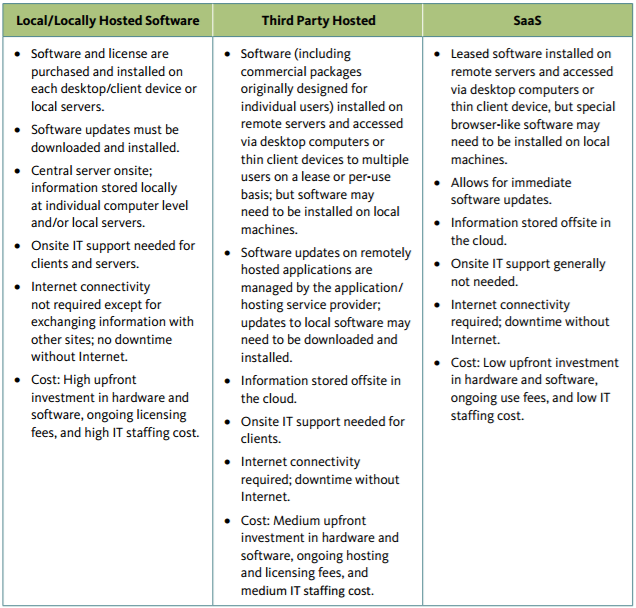
7.2.3 Operating Environment
The type of software solution will most likely be directly influenced by the type of operating environment required to meet your business needs. Understanding and defining organizational, provider, and family access will help determine the most effective operating environment. Consider the following items:
- Required access to the system remotely from any web-enabled device.
- Provider access, including partner providers.
- Family portal access.
- Storing all information securely behind firewall protection.
It is important to consider unique organizational needs and applications to ensure selection and setup of the appropriate operating environment.
The most successful telehealth programs are incorporated into the organization’s day-to-day operations.
7.3 Operational Planning
7.3.1. Project Team
Successful implementation of telehealth relies on a wide array of stakeholders on the project. The most successful telehealth programs incorporate the program into the organization’s day-to-day operations and involve all staff in the telehealth program to some degree. Since telehealth is enabling a new care delivery model, most staff will need to be involved, including executive leadership, clinical teams, technical representatives, and staff in durable medical equipment (DME)/logistics, finance, operations and marketing/business development. Getting all of these groups on board with a clear set of goals, timelines, resource requirements, and deliverables will lead to success.
7.3.2. Goal Setting
Defining the telehealth program’s goals is critical to measure success. Each organization will have different ideas of what success looks like based on internal operations. Before starting a telehealth program, the organization should set a clear series of goals and metrics.
Keep in mind that goals should be measurable and routinely reported on within your operations. The fundamentals to setting goals are to ensure that they are SMART goals:
- Specific.
- Measurable.
- Attainable.
- Realistic.
- Trackable.
Setting both short-term and long-term goals for the telehealth program is highly recommended. Telehealth programs will naturally change and progress over time. Organizational goals set at the initiation of the program will likely be different six to 12 months post implementation. Telehealth program goals should continuously be evaluated and updated as programs change. It is also important to understand that a new program will have the ability to achieve several major goals during its initial adoption.
Goals for each organization should be unique and may incorporate ideas from the following categories:
Clinical Outcomes
- Improved control of chronic conditions.
- Improved integration/coordination of care.
- Reduction of hospitalizations.
- Reduction of hospital readmissions.
- Increased chronic condition education.
- Improved self-management skills.
Satisfaction Outcomes
- Improved patient satisfaction scores.
- Improved provider satisfaction scores.
- Higher employee satisfaction and retention.
- Increased trust from the patient.
- Increased feeling of security in the home environment.
Operational Outcomes
- Increased staff productivity/efficiencies.
- Focused intervention and needs.
- Attraction of new talents.
- Better positioning and market advantage.
Financial Outcomes
- Reduction in readmissions.
- Increased productivity.
- Decreased travel time.
- Increased market share/referrals.
- Increased occupancy.
- Increased opportunity for new lines of business.
Be sure to define outcome measures that will help in evaluating the program’s success in the short and long term. After determining program goals, capture and discuss baseline data during telehealth planning sessions. Periodically review and update these goals and metrics throughout the planning and implementation process.
7.3.3. Program Design
Telehealth programs should be designed with the organizations’ short- and long-term goals in mind to help ensure success. In addition to the organization’s goals, care coordination, collaboration, and communication to enhance patient care and outcomes with other care providers along the continuum of care should also influence the program design.
Each program’s design should always consider how to align objectives, strategies, and technical plans with care partners by using telehealth and the EHR as a source of information and a facilitator of communications. Be sure to share experiences from other similar organizations to assist in strategies to build a telehealth program within the organization or strengthen an already existing telehealth program (please see the companion case studies that CAST is collecting).
Before starting any program, clearly define the new model of care and prepare staff with training and support plans.
7.3.3.1. Operating Model, Workflow, and Change Management
When a new telehealth program is implemented, it does not just mean adding technology into an existing care model; on the contrary, care models themselves change because patient care is being delivered via telehealth technology. This distinction is particularly significant for the clinical care model. Before starting any program, clearly define the new model of care and prepare staff with training and support plans. To gain the most benefit, ensure telehealth is used as a tool for changing care delivery and workflows, both inside the organization and with outside partners, and not simply an add-on. Adding telehealth, or any other technology for that matter, without assessing and redesigning processes and workflows to take advantage of the technologies’ capabilities and efficiencies will likely fail to produce the anticipated benefits.
7.3.3.2. Patient Population
Identify the patient population the organization wants to reach with telehealth-enabled care at the earliest stages of planning. As part of this process, ensure there is a process for identifying and enrolling patients and gathering their consents. Demonstrating the value of telehealth and making sure that patients understand their care will be improved, not diminished, is at the heart of the consent process.
7.3.3.3. Business Model: Expenses and Revenue Sources
Consider the care delivery and payment model(s) being proposed for the telehealth program. Identify all expenses, including technology infrastructure, connectivity, telehealth system expenses, installation, troubleshooting, maintenance and support, change management, training, clinical services, and support. Identify all the revenue sources (private pay, payer, strategic partner), and carefully calculate the organization’s ROI, as well as the other stakeholders’ (please see section 6.8).
7.4. Technology Review and Selection
Once an organization has completed the visioning and strategic planning exercise, assessed organizational readiness, assembled the project team, set the project’s goals and designed the program, then the team needs to develop a set of requirements to use as criteria to review and select the appropriate telehealth technology solution.
Setting and Focus:
The planning process would help identify key requirements that should include the following:
- The care setting(s) where the organization wants to deploy the Telehealth and RPM solution (Home Health, Skilled Nursing Facility, Housing with Services, etc.).
- The target population.
- The chronic health conditions the organization wants to manage.
The criteria should inform the types of telehealth systems that may help achieve the organization’s goals.
Systems:
System types include the following:
- Simple Interactive Voice Response systems where patients can key in their biometric readings manually.
- Biometric Store and Forward systems that capture and relay patient biometric data to a backend system where the data can be reviewed by a telehealth nurse.
- Other Store and Forward systems that allow the capture of data other than IVR and Biometrics (e.g., images).
- Systems that allow the capture of Real-Time Biometric data, such as heart arrhythmia monitors and act upon or relay the information to a clinician in near real-time.
- Systems that allow real-time two-way videoconferencing with a clinician.
Another important selection factor, which has cost and operational implications, is the embodiment of the system. Telehealth and RPM systems may be embodied in the following:
- Single-User/ Patient Home Base Units, which are suited for home use, especially for patients out in the community at large.
- Single-User/ Patient Mobile/Wearable Units, which may be more suited to more capable or active adults or warranted by the type of condition (for example monitoring of arrhythmia).
- Staff-Operated Multi-User Mobile Units, which could be suited for nursing homes and other settings where staff is available.
- Multi-User Kiosk/ Units, which could be cost-effective in congregate settings, like Independent Living, Adult Day Care or CCRCs.
Ancillary Sensors:
The clinical team determines telehealth ancillary sensors/devices based on the population and the chronic conditions the team wants to manage. Such ancillary sensors may include the following:
- Stethoscope (for interactive telemedicine).
- Temperature Probe.
- Blood Pressure Cuff.
- Weight Scale.
- Heart Rate.
- Peak Flow.
- Glucometer.
- Pulse Oximeter.
- Pulse Waveform.
- Spirometer.
- EKG/ECG.
- High-Definition Still Camera.
- High-Definition Video Camera.
Clinical Decision Support (CDS) Systems:
The population and chronic condition(s) the organization wants to manage also dictates the clinical decision support (CDS) system. Vendors have developed CDS systems for managing a number of chronic conditions including Congestive Heart Failure (CHF), Myocardial Infarction, Pneumonia, Chronic Obstructive Pulmonary Disease (COPD), Diabetes, Hypertension, Asthma, Arrhythmia, Stroke, Pressure Ulcers/Wound Care, End-Stage Renal Disease, and Depression. You may want to ask prospective vendors if their CDS systems can simultaneously handle multiple chronic conditions and comorbidities, which are common among older adults.
Vendor’s Program Development and Support Services:
Some of the more important factors in narrowing down potential vendors include the vendor’s program development and support services. These services may include the following:
- Program Development (planning, business model templates, etc.).
- Telehealth and RPM Nurse/Clinician services.
- Real-Time Interactive Video Conferencing with Clinician Services.
- Physician Engagement Program/Services.
- Patient Education Program/Services.
- Patient Engagement Program/Services.
- Family Engagement Program/Services.
The specific support services may include these:
- Equipment Deliver/Pick Up.
- Site/Home Installation.
- IT/Network Troubleshooting & Support.
- Front-End System Set-up/Customization.
- Back-End System Set-up/Customization.
- Onsite/Online Staff Training.
- Onsite/Online User/Patient Training.
- Equipment Cleaning/Refurbishing.
Other high-level differentiating factors include the telehealth backend system’s ability to do these tasks:
- Generate reports, customize reports, and schedule automatic reports).
- Integrate data into a PHR/EHR and determine who can gain access to these records, including Client/Patient’s Physician, Client/Patient’s Nurse/Other Licensed Clinician, Client/Patient/User/Self, Care Manager/ Professional Caregiver and Family.
- Generate alerts and determine who gets these alerts: Client/Patient’s Physician, Client/Patient’s Nurse/Other Licensed Clinician, Client/Patient/User/Self, Care Manager/Professional Caregiver and/or Family.
Integration:
The telehealth system’s ability to integrate with other technology platforms such as EHRs, Medication Adherence Monitoring Dispensers, Safety Monitoring Systems such as Personal Emergency Response Systems (PERS), and/ or Wellness, Behavioral and Activity Monitoring Systems, and Analytic Tools can also be critical to providers.
Legal and Regulatory Requirements:
Of course legal and regulatory requirements, such as whether the system has been reviewed by the U.S. Food and Drug Administration (FDA) as a medical device prior to marketing and determined that it is approved, cleared, or exempt and listed, are important selection factors.
Programs must comply with HIPAA and the HITECH Act.
Medical devices for which FDA has approved a premarket approval (PMA) application prior to marketing have been deemed safe and effective. This approval process is generally reserved for high-risk medical devices, such as pacemakers, and involves a more rigorous premarket review than the premarket notification pathway, also known as 510(k).
However, most telehealth devices are not subject to premarket approval. Cleared medical devices are devices that FDA has determined to be substantially equivalent to another legally marketed device. A premarket notification, referred to as a 510(k), must be submitted to FDA for clearance. A 510(k) is most often submitted by the medical device manufacturer.
Finally, medical devices that do not require FDA review before the devices are marketed are considered “510(k) exempt.” These medical devices are mostly low-risk, Class I devices and some Class II devices that have been determined not to require a 510(k) to provide a reasonable assurance of safety and effectiveness. Such devices are exempt from complying with premarket notification requirements subject to the limitations on exemptions; however, they are not exempt from certain general controls. For example, 510(k) exempt devices must meet the following:
- Be suitable for their intended use.
- Be adequately packaged and properly labeled.
- Have establishment registration and device listing forms on file with FDA.
- Be manufactured under a quality system, with the exception of a small number of class I devices that are subject only to complaint files and general recordkeeping requirements.
A medical device is FDA listed if the firm that manufactures or distributes the medical device has successfully completed an online listing for the device through the FDA Unified Registration and Listing System (FURLS). FDA listing allows post-market monitoring and reporting of any arising safety issues.
In short, FDA Approval, Clearance, or Listing provide a reasonable assurance of safety, effectiveness, and good manufacturing practices (GMP) commensurate with the level of risk the device poses. For the purpose of the CAST Telehealth and RPM Selection Matrix and Online Selection Tool, we only ask vendors to identify if their system is Cleared, Listed (i.e., listed with the FDA as exempt), or awaiting decision (Pending) after applying for clearance and/or listing.
The two other important legal and regulatory requirements include compliance with the following:
- The Health Insurance Portability and Accountability Act (HIPAA), which set national standards to protect individuals’ medical records and other protected personal health information (PHI).
- The Health Information Technology for Economic and Health (HITECH) Act, which sets additional standards to demonstrate meaningful use of security technology to ensure the confidentiality, integrity, and availability of protected electronic medical records and electronic personal health information (ePHI).
Hardware and Software Requirements:
Finally, hardware/software requirements that could be important to the selection process include how software is offered:
- Local Model, which means that it needs to be installed on servers local to the care provider, or
- Third-Party Hosted Model/Software as a Service Model (SaaS), where the software is hosted somewhere else and the provider pays licensing and hosting fees or pays for usage, as opposed to maintaining local servers’ infrastructure.
Other important hardware and software requirements include remote access functionality support, off-line functionality support when running Third-Party Hosted or SaaS software, and mobile device support, such as for smartphones and tablets.
Use the CAST Telehealth and RPM Online Selection Tool to narrow down the selection to a few shortlisted candidate systems and vendors that meet the must-have high-level requirements.
In the CAST Telehealth and RPM Selection Matrix, we outline many additional options and detailed features and functionalities that will help drill down into these shortlisted products and narrow the selection to a list of two or three vendors who can be invited to submit request for proposals (RFP).
During the RFP process, providers are encouraged to interview prospective vendors and engage many staff in the interviews and product evaluation: front staff, nursing and medical directors, and representatives from management, finance and IT teams. Please check provider case studies with the vendors, including those collected by CAST, and to conduct appropriate due diligence including reference checking. In addition, providers may want to use the LeadingAge CAST/ Technology Listserv to ask peers about the shortlisted products and their experience with these vendors.
8. Telehealth and RPM Selection Matrix Components
CAST’s Telehealth Workgroup, consisting of providers, vendors, and consultants, compiled a list of telehealth and RPM products that serve the LTPAC market, as well as a list of functionalities and capabilities that would help providers choose the telehealth and RPM product that best fits their business line and functional requirements.
Each of the telehealth and RPM vendors then received the opportunity to complete a self-review of the workgroup’s pre-determined questions. Some of these vendors chose not to participate. Those who did participate then received the opportunity to nominate a case study from a provider’s perspective on the use of the vendor’s telehealth/RPM product.
The Telehealth and RPM Selection Matrix has 20 sections to help organizations narrow the possible telehealth/RPM products.
Some telehealth and RPM vendors have multiple embodiments of their products (Single-User/Patient Home Base Unit, Single-User/Patient Mobile/Wearable Unit, Staff-Operated Multi-User Mobile Unit, and/or Multi-User Unit/Kiosk). In this case, the vendor was asked to provide information on each product separately.
The Telehealth and RPM Selection Matrix includes the following sections:
- Business Line/Care Applicability lists all the various business lines to which the telehealth/RPM solution is applicable, including Physicians’ Offices, Emergency Department, Hospitals, Attending LTPAC Physician, Housing with Services, Home Health/Home Care, Hospice, Adult Day Care/Senior Centers, Assisted Living Facilities, Acute Rehab Facilities, Long-term Acute Care Hospitals, Long-term Care Rehab Facilities, Skilled Nursing Facilities, Intermediate Care Facilities, Intellectual Disabilities/Mental Retardation/Developmental Disabilities (ID/MR/DD) Facilities, Continuing Care Retirement Communities (CCRC), Program of All-Inclusive Care for the Elderly (PACE), Accountable Care Organizations (ACOs), and Multiple Site Integration.
- System Type defines the basic function of the solution and includes Store-and-Forward: Interactive Voice Response System (IVR), Store-and-Forward: Biometric Remote Patient Monitoring, Other Store-and-Forward Systems: Other than IVR & Biometrics (e.g., Imaging, Consultation Notes, etc.), Real-Time Biometric Remote Patient Monitoring (exists with Store-and-Forward as well) and Real-Time Interactive Two-Way Video Conferencing with Clinician.
- Embodiment provides information about the physical system and includes the options of Single-User/Patient Home Base Unit, Single-User/Patient Mobile/Wearable Unit, Staff-Operated Multi-User Mobile Unit, and/or Multi-User Unit/Kiosk.
- Program Development & Support Offered includes Program Development (Planning, Business Model Templates, etc.), Telehealth/RPM Nurse Services, Other Store-and-Forward Clinician Services, Real-Time Interactive Video Conferencing with Physician/Clinician Services, Physician Engagement Services, Patient Education, Patient Engagement, and Family Engagement.
- Available Ancillary Sensors/Devices covers Sensor Types (Stethoscope, Temperature Probe, Blood Pressure Cuff, Weight Scale, Heart Rate, Peak Flow, Glucometer, Pulse Oximeter, Pulse Waveform, Spirometer, EKG/ECG, High-Definition Still Camera, High-Definition Video Camera, Other Sensors listed, and Notes on Specialty Sensors Offered), Are Sensors/Devices Proprietary Off The Shelf or Both?, Sensor Connectivity (Wired, Wireless, and/or Others), and Battery Requirements (if any).
- Front-End Hardware Unit User/Patient Interface & Communications identifies the unit’s functionalities, user interface capabilities, and communications modalities with the user/patient including Login Modality, Touch Screen, Audible Prompts, Visual Prompts, Low Vision Support, Standard Disease-Specific Questionnaires, Customizable Questionnaires, Biometric Thresholds are Customizable, and Branching Logic Based on Biometric Data and User’s/Patient’s Responses. Additionally, the various Communications Modality options are listed as Plain Old Telephone System (POTS) Line, DSL Internet Connectivity, High-Speed Internet Connectivity, Wi-Fi Connectivity, Cellular Connectivity, and Minimum Internet Connectivity Speed Required.
- Hardware and Software Requirements – Front End lists the required Desktop/Laptop specifications for Software-Only Solutions including requirements for Minimum Processor Speed, Hard Dive Storage RAM requirements if any, , Operating System (OS) – Windows, Operating System (OS) -Apple, and/or Operating System (OS) – Unix/Linux. Other features compared include Network Specifications, Wireless Specifications, Modern Browser Support, Minimum Internet/Bandwidth Specifications, Miscellaneous Software/Applets Needed (i.e. Citrix), Miscellaneous Reporting Specifications (i.e. Crystal Reports), Scalability, Local Model, Hosted Model, Software as a Service Model (SaaS), Remote Access, Off-Line Functionality Support, Ability to Store/Handle Attachments (Insurance card, Historical Notes, etc.), Available for Purchase, and Available for Lease. Last, Mobile options are listed as Cellular Carriers that Support Solution, Mobile OS – Android, Mobile OS – Blackberry, Mobile OS – iOS, Mobile OS – Unix/Linux, Mobile OS – Windows and/or Mobile –Optimized Interface (through dedicated app. or Mobile optimized web pages).
- Front-End Unit Support lists materials delivered through the front-end unit, including On-Screen Educational Self-Management Material, Self-Management Educational Audios, and/or Self-Management Educational Videos. Front-End Unit Multi-Language Support section lists the available languages. The final options here include Remote Updates and/or Remote Configuration Capability.
- Report and Personal Health Record (PHR)/EHR examines options to provide Customizable Reports or Ability to Schedule Automatic Reports, and to whom Health Record/Report Access is provided (Client/Patient’s Physician, Client/Patient’s Nurse/Other Licensed Clinician, Client/Patient/User/Self, Care Manager/Professional Caregiver, Family and/or Other).
- Alerts and Chronic Disease Management Decision Support includes to whom Alerts can be sent (Client/Patient’s Physician, Client/Patient’s Nurse/Other Licensed Clinician, Client/Patient/User/Self, Care Manager/Professional Caregiver, Family, and/or Other) and the Alert Sending Modality, which includes options for Pager, Telephone (Voice Messages), E-Mail, Text Message, and/or Other.
- Single Condition Clinical Decision Support System has options for Congestive Heart Failure (CHF), Myocardial Infarction, Pneumonia, Chronic Obstructive Pulmonary Disease (COPD), Diabetes, Hypertension, Asthma, Arrhythmia, Stroke, Pressure Ulcers/Wound Care, End-Stage Renal Disease, Depression or Other.
- Customizable Pathways and Clinical Decision Support Systems for Multiple Chronic Conditions and Comorbidities builds upon the previous section and lists all comorbidities. Vendors were instructed to only check comorbidity options that can be handled simultaneously by their Clinical Decision Support System. Options included Congestive Heart Failure (CHF), Myocardial Infarction, Pneumonia, Chronic Obstructive Pulmonary Disease (COPD), Diabetes, Hypertension, Asthma, Arrhythmia, Stroke, Pressure Ulcers/Wound Care, End-Stage Renal Disease, Depression or Other.
- Interfacing, Integration and Add-Ons looks into the telehealth/RPM solution’s integration capabilities with Electronic Health Records (EHRs), Medication Adherence Monitoring Dispensers, Safety Monitoring Systems (e.g., Personal Emergency Response Systems (PERS)), Wellness, Behavior and Activity Monitoring Systems, Printing Support, Analytic Tools (e.g., Population Health Management, Predictive Analytics) or Others.
- Interoperability, Interoperability Standards and Certification begins with Type of Interoperability Supported (None, Export Data Only, Import Data Only, or Bi-Directional data import and export), Supported Interoperability Standards: HL7 Personal Health Monitoring Report (standardized exchange of health data collected by home, personal, telehealth, and remote patient monitoring devices with electronic and personal health records) and/or Other, Back-End EHR/PHR Certification in the form of 2014 ONC-ATCB (meets criteria to support Stage 2 Meaningful Use) with response options being Modular (meets at least one required criterion) or Complete (meets all required criteria), and Plans on Pursuing ONC’s Proposed Voluntary Certification. The section ends with information on Front-End System Certification, namely the Continua Health Alliance Certification.
- Program Support Services includes options for Equipment Delivery/Pick Up, Site/Home Installation, IT/Network Troubleshooting & Support, Front-End System Set-up, Front-End System Customization, Back-End System Set-up, Back-End System Customization, Onsite Staff Training, Online Staff Training, Onsite User/Patient Training, Online User/Patient Training, Equipment Cleaning, Equipment Refurbishing and/or Other.
- Clinical Supportability includes options for Phone Support (No, Yes 24 hours, Yes limited hours) , Web Support (No, Yes 24 hours, Yes limited hours),, E-Mail Support, Listserv and/or Usergroup, Online Training, Onsite Training, and/or Other.
- Technical Supportability and Warranty Information includes technical support options for Phone Support (No, Yes 24 hours, Yes limited hours) Web Support (No, Yes 24 hours, Yes limited hours), E-Mail Support, Listserv and/or Usergroup, Online Training, Onsite Training, and/or Other, as well as warranty options that include Length of Product Warranty and goes onto share what is covered under warranty: Parts, Parts & Labor, or Parts, and In-Field/On-Site Labor.
- Legal/Regulatory/Cyberliability touches on FDA Clearance/Listing (Cleared, Pending, Listed, None), FDA Classification (Class I, Class II, etc.), HIPAA HITECH , Security – List HIPAA & HITECH Act Requirements Met, List Applicable Regulatory Requirements Met, Provide a Link to Company’s Cyberliability Policy, and List Any Other Legal Requirements, as well as an option to Provide a link to Sample Contract.
- Hardware and Software Requirements – Back End provides required specifications for Desktop/Laptop systems including requirements for Minimum Processor Speed, Hard Drive Storage, RAM requirements, Operating System (OS) – Windows, Operating System (OS) -Apple, and/or Operating System (OS) – Unix/Linux. Other features compared include Network Specifications, Wireless Specifications, Modern Browser Support, Minimum Internet/Bandwidth Specifications, Miscellaneous Software/Applets Needed (i.e. Citrix), Miscellaneous Reporting Specifications (i.e. Crystal Reports), Scalability, Local Model, Hosted Model, Software as a Service Model (SaaS), Remote Access, Off-Line Functionality Support, Ability to Store/Handle Attachments (Insurance card, Historical Notes, etc.), Available for Purchase, and Available for Lease. Last, Mobile options are listed as Cellular Carriers that Support Solution, Mobile OS – Android, Mobile OS – Blackberry, Mobile OS – iOS, Mobile OS – Unix/Linux, Mobile OS – Windows and/or Mobile –Optimized Interface.
- Company’s Experience and Viability includes Number of Years in Business, Release Date of Current Version, Number of Patients served, Core Customer Base, Focus of Line of Business, as well as Links to Additional Case Studies.
The last section of the matrix is dedicated for Strengths, Areas for Improvement, Ongoing Development, and References.
9. Acknowledgement of Contributors
9.1. Contributing Writers
Majd Alwan, LeadingAge CAST
Jennifer Bravinder, Cardiocom
Paul Burnstein, MatrixCare (formerly)
Scott Code, LeadingAge CAST
Erick Eiting, GrandCare Systems
David Loveland, WoundRounds
Shannon McIntyre Hooper, Intel-GE Care Innovations (formerly)
Laura Mitchell, GrandCare Systems (formerly)
Linda Spokane, LeadingAge New York
9.2. Workgroup Members
Majd Alwan, LeadingAge CAST
Harry Bailes, Family Health Network
Andrea Bellis, HoneyWell HomMed
Jennifer Bravinder, Cardiocom
Patrick Clark, St. Peter’s Health Partners
Scott Code, LeadingAge CAST
David Dring, Selfhelp Community Services
Eric Dudasko, Life Care Services
Erick Eiting, GrandCare Systems
Jen Farrell, Cardiocom
Scott Flacks, Ideal Life, Inc.
Cory Fosco, WoundRounds
Bryan Fuhr, Healthsense
Lynette Ladenburg, LeadingAge Washington
Pete Larson, HealthInterlink
Ben Laub, Sholom
David Loveland, WoundRounds
Kevin Manley, Silversphere
Regina Melly, Jewish Home Lifecare
Laura Mitchell, GrandCare Systems (formerly)
Brian Robbins, Westminster Manor
John Ryan, Philips Healthcare
Debi Sampsel, University of Cincinnati
Andy Schoonover, VRI
John Schumacher, Biosign Technologies Inc.
Linda Spokane, LeadingAge New York
Chris Taylor, Cardiocom
Julianne Wassong, Ideal Life, Inc.
Ron Weisman, Healthsense
9.3. Participating Telehealth and RPM Vendors
Seventeen vendors, including 5 CAST Partners, Supporters and Business Associates, participated in developing the Telehealth and RMP Portfolio. These included:
- Philips Healthcare, Karsten Russell-Wood, LeadingAge Silver Partner with CAST Support.
CAST Business Associate participating in the portfolio included:
- Constant Care Technology (formerly RosieConnect), Tina Beskie
- LG CNS America, Bobby Choi
Other Participating Vendors Included:
- Ambio Health, Kevin Jones
- Care at Hand, Rose Strain
- Connected for CARE Telemedine, Paul Knight
- EarlySense, Maayan Wenderow
- Family Health Network, Harry Bailes
- higi SH llc, James Farrell
- Honeywell HomMed, Greg Lillegard
- Independa, Kian Saneii
- InTouch Health, Tim Wright
- Medocity, CathyGuttman
- Medtronic Care Management Services (formerly Cardiocom), Girish Solanki
- Satchel Health, Dave Luna
- VGo, Bern Terry
- VRI, Rhonda Willingham
- WoundRounds, David Loveland
10. References and Resources
i. ADLs (Activities of Daily Living) include the ability to move from one place to another, eat, bathe, toilet, and dress in addition to the ability to control the bladder and bowels (Katz S, Ford AB, Moskowitz RW. Studies of illness in the aged. The index of A.D.L., a standardized measure of biological and psychological function. JAMA; 185:914-919).
ii. IADLs (Instrumental Activities of Daily Living) include the ability to use transportation, shop for necessities, prepare meals, and perform house work (Fillenbaum GG. Screening the elderly: A brief instrumental activities of daily living measure. Journal of American Geriatric Society. 33:698-706.).
iii. A vision of the future where we are surrounded by electronic environments that are sensitive and responsive to people.
iv. The ability of two or more systems or components to exchange information and to use the information that has been exchanged.
v. Note: Independent Renal Dialysis Facilities are not eligible originating sites.
vi. CPs and CSWs cannot bill for psychiatric diagnostic interview examinations with medical services or medical evaluation and management services under Medicare. These practitioners may not bill or receive payment for current Procedural Terminology (CPT) codes 90792, 90833, 90836, and 90838.
1. Electronic Health Record Definition, HIMSS. Available online at: https://www.himss.org/library/ehr/?navItemNumber=13261. Last accessed 06/22/2013.
2. The National Alliance for Health Information Technology Report to the Office of the National Coordinator for Health Information Technology on Defining Key Health Information Technology Terms, released on April 28, 2008.
3. Electronic Medical Records vs. Electronic Health Records: Yes, There Is a Difference, HIMSS 2006, available online at:https://app.himssanalytics.org/docs/WP_EMR_EHR.pdf. Last accessed 06/16/2015.
4. HIMSS Electronic Personal Health Record Definition, HIMSS 2008. Available online at:http://s3.amazonaws.com/rdcms-himss/files/production/public/HIMSSorg/Content/files/PHRRoundtable.pdf. Last accessed 06/22/2013.
5. A Reporter’s Toolkit: Health Information Technology, Alliance for Health Reform. Available online at:http://www.allhealthpolicy.org/publications/health_information_technology/health_information_technology_toolkit.asp. Last accessed 06/22/2013.
6. Telemedicine Definition, Medicaid. Available online at: https://www.medicaid.gov/Medicaid-CHIP-Program-Information/By-Topics/Delivery-Systems/Telemedicine.html. Last accessed 06/22/2013.
7. Telehealth Definition, HRSA. Available online at: https://www.hrsa.gov/ruralhealth/about/telehealth/. Last accessed 06/22/2013.
8. What is Telehealth, HRSA. Available online at:https://www.hrsa.gov/ruralhealth/telehealth/index.html. Last accessed 06/22/2013.
9. Telehealth Definitions, University of Miami. Available online at: http://telehealth.med.miami.edu/what-is-telehealth. Last accessed 06/22/2013.
10. Chronic Disease Management Chapter, Aging Services Technology Study Report to Congress, 2012. Available online at:https://aspe.hhs.gov/basic-report/report-congress-aging-services-technology-study. Last accessed 06/22/2013.
11. Hovey, L., Kaylor, M.B., Alwan, M., Resnick, H.E. (2011). Community-based telemonitoring for hypertension management: Practical challenges and potential solutions. Journal of Telemedicine and E-Health, 17(8), 645-651.
12. Telemedicine Definition, American Telemedicine Association. Available online at:https://www.americantelemed.org/learn/what-is-telemedicine. Last accessed 06/22/2013.
13. Clinical Decision Support Definition. Available online at: https://www.healthit.gov/topic/safety/clinical-decision-support. Last accessed 06/22/2013.
14. Clinical Decision Support Definition. Available online at: https://www.healthit.gov/topic/safety/clinical-decision-support. Last accessed 06/22/2013.
15. Hedstrom, K. “The values of IT in elderly care” Information Technology & People 2007, 20:72-84.
16. The State of Technology in Aging Services. Alwan, M., Wiley, D., Nobel, J., CAST 2007. Available online at:http://hweb.leadingage.org/State_of_Technology.aspx. Last accessed 06/22/2013.
17. Telehealth in growth mode worldwide: Projected to reach 1.8 million patients by 2017. Healthcare IT News. Available online at: https://www.healthcareitnews.com/news/telehealth-growth-mode-worldwide. Last accessed 06/15/2015.
18. Telehealth Definition, Wikipedia. Available online at: https://en.wikipedia.org/wiki/Telehealth. Last accessed 06/22/2013.
19. Telemedicine: Benefits and Uses, Wikipedia. Available online at:https://en.wikipedia.org/wiki/Telemedicine. Last accessed 06/22/2013.
20. National Council on Aging, Chronic Disease Self-Management Fact Sheet. Available online at: https://www.ncoa.org/press-room/fact-sheets/chronic-disease.html. Last accessed 06/22/2013.
21. Shea, S., Weinstock, R.S., Starren, J., Teresi, J., Palmas, W., Field, L. (2006). A randomized trial comparing telemedicine case management with usual care in older, ethnically diverse, medically underserved patients with diabetes mellitus. Journal of the American Medical Informatics Association, 13(1), 40-51.
22. Stone, R.A., Rao, R.H., Sevick, M.A., Cheng, C., Hough, L.J., Macpherson, D.S., et al. Active care management supported by home telemonitoring in veterans with type 2 diabetes: the DiaTel randomized controlled trial. Diabetes Care, 2010; 33(3): 478-484.
23. AbuDagga, A., Resnick, H., Alwan, M. (2010). Impact of blood pressure telemonitoring on hypertension outcomes: A literature review. Telemedicine and e-Health, 16(7), 1-9.
24. Wade, M.J., Desai, A.S., Spettell, C.M., Snyder, A.D., McGowen-Stackewicz, V., Kummer, P.J., Maccoy, M.C., Krakauer, R.S. (2011). Telemonitoring with case management for seniors with heart failure. American Journal of Managed Care, 17(3), e71-79.
25. New England Healthcare Institute (2009). Remote physiological monitoring: Research update. Available online at:https://www.nehi.net/writable/publication_files/file/rpm_research_update.pdf. Last accessed 04/09/2014.
26. Darkins, A., Ryan, P., Kobb, R., Foster, L., Edmonson, E., Wakefield, B. Care Coordination/Home Telehealth: The Systematic Implementation of Health Informatics, Home Telehealth, and Disease Management to Support the Care of Veteran Patients with Chronic Conditions, Telemedicine and e-Health. 2008, 14(10): 1118-1126.
27. Trappenburg, J.C., Niesink, A., de Weert-van Oene, G.H., van der Zeijden, H., van Snippenburg, R., Peters, A., Lammers, J.W., Schrijvers, A.J. (2008). Effects of telemonitoring in patients with chronic obstructive pulmonary disease. Journal of Telemedicine E-Health, 14(2), 138-146.
28. Alrajab, S., Smith, T.R., Owens, M., Areno, J.P., Caldito, G. A Home Telemonitoring Program Reduced Exacerbations and Healthcare Utilization Rates in COPD Patients with Frequent Exacerbations. Telemedicine and e-Health. December 2012, 18(10): 772-776.
29. LaFramboise, L.M., Todero, C.M., Zimmerman, L., Agrawal, S. Comparison of Health Buddy with traditional approaches to heart failure 71 management. Fam Community Health. 2003; 26(4):275-288.
30. Canadian Agency for Drugs and Technologies in Health (2008). Home Telehealth for Chronic Disease Management. Available online at: https://www.cadth.ca/media/pdf/H0475_Home_Telehealth_tr_e.pdf. Last accessed 06/15/2015.
31. Cathala, N., Brillat, F., Mombet, A., Lobel, E., Prapotnich, D. and Alexandre, L. Patient follow up after radical prostatectomy by Internet medical file. J Urol. 2003; 170(6 Pt 1):2284-2287.
32. Jimison, H., Gorman, P., Woods, S., Nygren, P., Walker, M., Norris, S., Hersch, W. Barriers and Drivers of Health Information Technology Use by the Elderly, Chronically Ill and Underserved, Evidence Report No. 175 (Prepared by the Oregon Evidence-based Practice Center Under Contract No. 290-02-0024). AHRQ Publication No. 09-E004. Rockville, MD: Agency for Healthcare Research and Quality. November 2008. Available online at:https://archive.ahrq.gov/research/findings/evidence-based-reports/hitbartp.html. Last accessed 06/22/2013.
33. Consumer Assessment of Healthcare Providers and Systems Survey, AHRQ. Available online at:https://www.ahrq.gov/cahps/. Last accessed 06/22/2013.
34. Hardee, J.T., Kasper, I.K. A clinical communication strategy to enhance effectiveness and CAHPS scores: the ALERT model. Permanente Journal. 2008 Summer; 12(3): 70–74.
35. Quality Measures for the CMS Shared Savings Program, CMS. Available online at:https://www.cms.gov/Medicare/Medicare-Fee-for-Service-Payment/sharedsavingsprogram/Quality_Measures_Standards.html. Last accessed 06/22/2013.
36. Myers, S., Grant, R., Lugn, N., Holbert, B., Kvedar, J. “Impact of Home-Based Monitoring on the Care of Patients with Congestive Heart Failure,” Home Health Care Management & Practice 18, no. 6 (October 1, 2006): 444 -451.
37. Whited, J.D. 2006. “Teledermatology research review.” International Journal of Dermatology, Mar 45(3):220-9.
38. Coye, M., Haskelkorn, A., DeMello, S. Remote Patient Management: Technology-Enabled Innovation and Evolving Business Models for Chronic Disease Care. Health Affairs. 2009; 28: 126-135.
39. Jennett, P., Hall, L., Hailey, D., Ohinmaa, A., Anderson, L., Thomas, R., Young, B., Lorenzetti, D., Scott, R. “The socio-economic impact of telehealth: a systematic review,” Journal of Telemedicine and Telecare 9, no. 6 (2003): 311-320.
40. Ratliff, C.R., Forch, W. “Telehealth for wound management in long-term care,” Ostomy/Wound Management 51, no. 9 (September 2005): 40-45.
41. Nesbitt, T.S., Cole, S.L., Daschbach, M.M., and Marcin, J.P. 2005. “Perceptions of local health care quality in seven rural communities with telemedicine.” Journal of Rural Health, Winter 21 (1) 79-85.
42. Wireless Sensor Technology: Aging Services Applications and Associated Risks. Available online at: http://www.cna.com/vcm_content/CNA/internet/Static%20File%20for%20Download/Risk%20Control/Medical%20Services/WirelessSensorTechnologyAgingServicesApplicationsandAssociatedRisks.pdf. File No Longer Available!
43. Medicare Telehealth Fact Sheet. Available online at: https://www.cms.gov/Outreach-and-Education/Medicare-Learning-Network-MLN/MLNProducts/downloads/telehealthsrvcsfctsht.pdf. Last accessed 06/22/2013.
44. Prospective Payment for Home Health Services, Social Security Act. Available online at:http://www.ssa.gov/OP_Home/ssact/title18/1895.htm. Last accessed 06/22/2013.
45. American Telehealth and Telemedicine Association, Telehealth and Telemedicine Medicare Coverage. Available online at:https://higherlogicdownload.s3.amazonaws.com/AMERICANTELEMED/3c09839a-fffd-46f7-916c-692c11d78933/UploadedImages/Policy/medicare-payment-of-telemedicine-and-telehealth-services.pdf. Last accessed 06/22/2013.
46. Medicare Benefit Policy Manual Chapter 7 Home Health Services, Part 110.
47. Publication 11 – Home Health Agency Manual – Chapter II – Coverage of Services, Part 201.13. Available online at:https://www.cms.gov/Regulations-and-Guidance/Guidance/Transmittals/downloads/R298HHA.pdf. Last accessed 8/13/2013.
48. Pershing, Yoakly and Associates. Providing and Billing Medicare for Chronic Care Management. Available online at: http://www.hscrc.maryland.gov/documents/md-maphs/wg-meet/cc/2015-01-23/2-Chronic-Care-Whitepaper-PYA.pdf. Last accessed: 06/16/2015.
49. Medicaid Coverage Eligibility, Medicaid. Available online at: https://www.medicaid.gov/medicaid/eligibility/. Last accessed 06/22/2013.
50. Center for Telehealth and e-health Law, Medicaid Reimbursement. Available online at:http://ctel.org/expertise/reimbursement/medicaid-reimbursement/. Last accessed 06/22/2013.
51. Center for Telehealth and e-health Law, Reimbursement Overview. Available online at:http://ctel.org/expertise/reimbursement/reimbursement-overview/. Last accessed 06/22/2013.
52. LeadingAge State Telehealth News Article. Available online at:http://www.leadingage.org/Arizona_Montana_and_Missouri_Pass_Telemedicine_Bills.aspx. Last accessed 06/22/2013.
53. ATA State Laws and Regulations Wiki. Available online at: http://atawiki.org.s161633.gridserver.com/wiki/index.php?title=State_law. Last Accessed 04/02/2014.
54. ATA’s Telehealth Legislative Tracking Matrix. Available online at: http://www.americantelemed.org/docs/default-source/policy/2014-ata-state-legislation-matrixBD6205D8982E.pdf. File No Longer Publicly Available!.
55. Medicaid Waivers Information, Medicaid. Available online at: https://www.medicaid.gov/medicaid/section-1115-demo/index.html. Last accessed 06/22/2013.
56. CAST Analysis of State Payment for Aging Services Technologies. Available online at:leadingage.org/sites/default/files/CAST_State_Paymen_%20Analysis.pdf. Last accessed 06/22/2013.
57. The Importance of Home and Community Based Settings in Population Health Management, Philips White Paper, March 2013. Available online at:leadingage.org/sites/default/files/The_importance_of_home_and_community_March_2013_1.pdf. Last accessed 06/22/2013.
58. CMMI Innovations Models and Initiatives, CMMI, CMS. Available online at: https://innovation.cms.gov/initiatives/index.html. Last accessed 06/22/2013.
59. Technology Related Provisions in the ACA, LeadingAge CAST. Available online at:http://www.leadingage.org/uploadedFiles/Content/About/CAST/Policy/Provisions_Relevant_to_Aging_Services_Technologies_HR_3590.pdf. Last accessed 06/22/2013.
60. Medicare Hospital Readmission Reduction Program, CMS. Available online at: http://www.cms.gov/Medicare/Medicare-Fee-for-Service-Payment/AcuteInpatientPPS/Readmissions-Reduction-Program.html. Last accessed 04/25/2017. Last accessed 06/22/2013.
61. CMS ACO Initiatives, CMMI, CMS. Available online at: http://innovati/on.cms.gov/initiatives/ACO/. Last accessed 06/22/2013.
62. Retrospective Acute Hospital Stay plus Post-Acute Services Payment Bundling Demonstration, CMMI, CMS. Available online at: https://innovation.cms.gov/initiatives/BPCI-Model-2/. Last accessed 06/22/2013.
63. Retrospective Post-Acute Care Only Payment Bundling Demonstration, CMMI, CMS. Available online at:https://innovation.cms.gov/initiatives/BPCI-Model-3/. Last accessed 06/22/2013.
64. Online ROI Calculator, Center for Technology and Aging & Center for Connected Health. Available online at:http://telemedroi.com/. Last accessed 06/22/2013.
65. Population Health Management Approach in the Home and Community Based Settings, Philips White Paper, March 2013. Available online at:http://leadingage.org/sites/default/files/Population_health_management_approach_in_the_home_and_community_March_2013%20%281%29.pdf. Last accessed 06/22/2013.