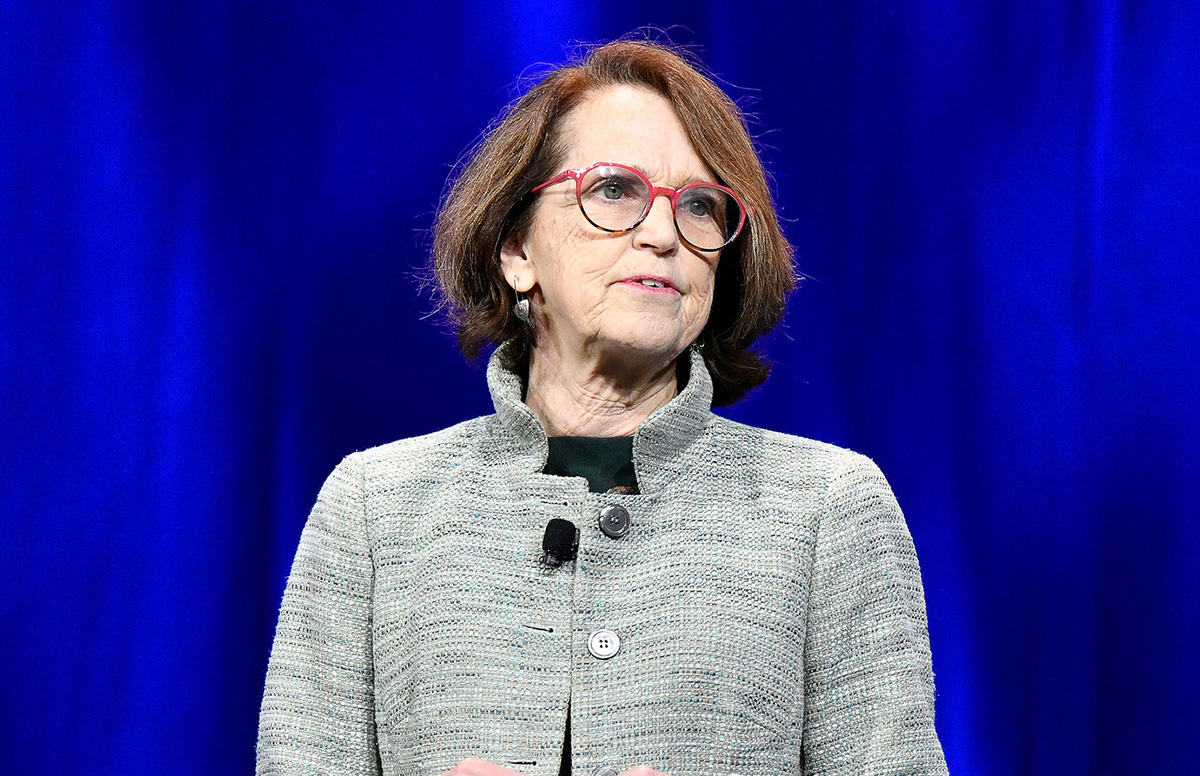
When Robyn Stone joined LeadingAge in 1999 to establish what would become the Institute for the Future of Aging Services (IFAS), she saw a tremendous opportunity to conduct research in real-world service and support settings. She was convinced that any research in our field must take place in collaboration with providers.
Our research efforts have evolved over the years. IFAS became the Center for Applied Research and, 10 years ago, was renamed the LeadingAge LTSS Center @UMass Boston after we sought an academic partner and formed a partnership with the University of Massachusetts Boston’s School of Gerontology.
Despite these changes, LeadingAge’s robust research agenda remains a valuable asset to our members and the broader aging services field. Our clear focus on applied research, which guides every aspect of our work, is unique among associations.
The research conducted by LeadingAge is intentionally designed to influence real-world policy and practice. We strive to equip members with the evidence-based information they need to provide high-quality services—and to give policymakers the evidence they need to support policies that advance that mission.
Together with a wide range of public and private partners, we address issues that matter to LeadingAge members. We test interventions developed by member organizations to assess their effectiveness and pinpoint areas for improvement. Our collaborative work advances the field of aging services, enabling all older adults, regardless of where they live, to access services and supports tailored to their needs and preferences.
Over the years, our work has had a significant impact. For example:
Housing Plus Services: We’re particularly proud of our pioneering work studying and advocating for models that use affordable housing settings as platforms for delivering services and supports to older adults with low incomes.
Significantly, that work began at the request of several LeadingAge members—including McGregor in Cleveland, OH; Eaton Senior Communities, Golden West Senior Residence, and Hover Senior Living Community in Colorado; and Cathedral Square Corporation in Burlington, VT. Our work ultimately led to a $15 million randomized controlled trial, implemented by the U.S. Department of Housing and Urban Development with our help, in 40 housing communities nationwide. I highly recommend reading our overview of that transformative work, which continues to impact LeadingAge members.
Workforce: We published two seminal studies examining our field’s workforce challenges and proposing solutions. We continue to work with partners nationwide to improve nurse management. Our research led to the development of the NurseLead training tool, which equips nursing professionals with the skills and knowledge to become more effective coaches, leaders, and supervisors. We’ve also examined job design in home-based care and evaluated a program designed to help certified nursing assistants and home health aides advance their careers.
Family Caregiving: We’ve studied the challenges faced by family caregivers and evaluated a promising technology-based intervention to support long-distance caregivers of people living with dementia.
Financing: We’ve published numerous research-based reports on the financial struggles of older adults, especially those who need long-term services and supports. We’ve also created a compendium of LTSS financing policy options to help policymakers and advocates advance practical solutions in this important area.
Aging and Health: We’ve studied the challenges faced by older adults and providers in rural areas, evaluated a member-supported wellness program in affordable housing, and quantified the health improvements older adults experience when providers honor their care preferences.
I’m proud of what we’ve achieved over the past 27 years and excited about what’s ahead. I hope you’ll visit the LTSS Center’s website to learn more about our work, review our research findings, subscribe to our newsletter, and let us know which research questions matter most to you.



 Direct CARE Opportunity Act of 2026 Introduced in House