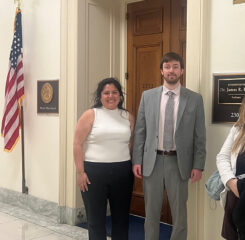
TPS allows individuals from countries experiencing extraordinary conditions to live and work legally in the United States. Haiti has held a TPS designation for many years; roughly 350,000 Haitian TPS holders live here now, and are deeply embedded in communities across the country. Many are employed as workers in health care and in aging services settings.
Last year, the Trump administration moved to terminate Haiti’s TPS designation. That action is currently the subject of litigation: it has been temporarily blocked by a federal district court and is awaiting a hearing before the Supreme Court later in April.
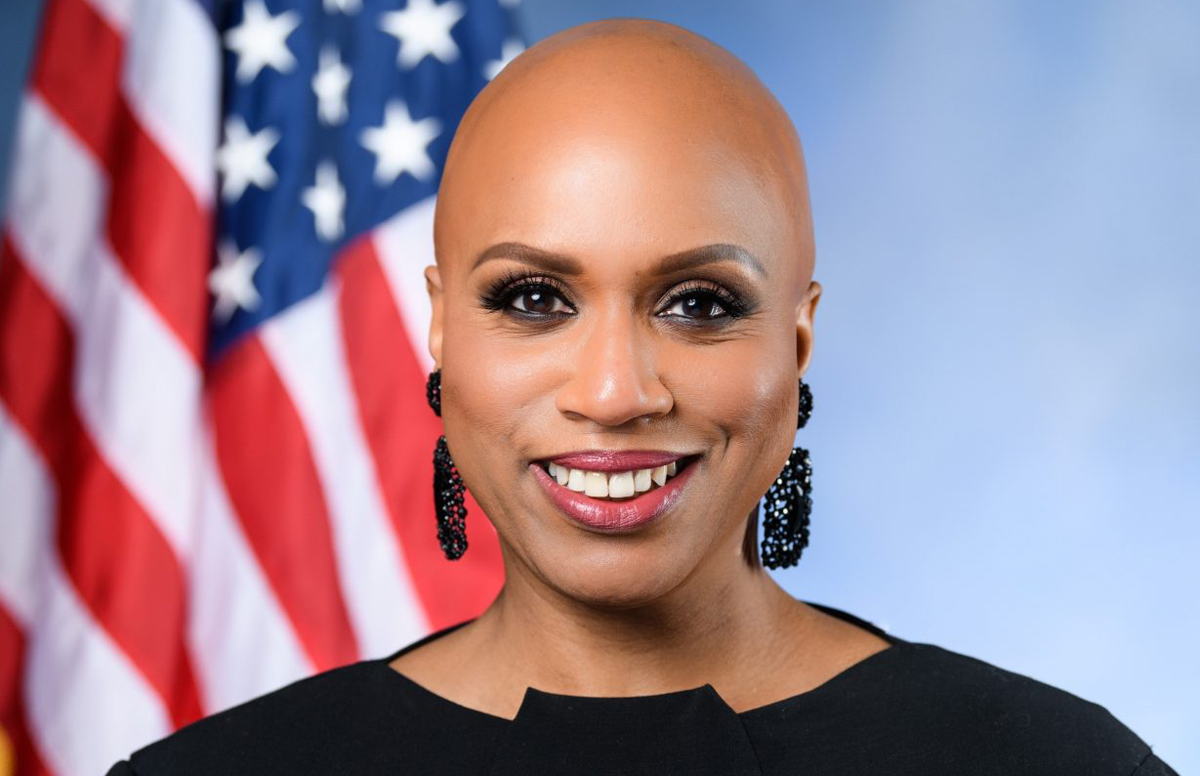
While the litigation proceeds, some House lawmakers, led by Rep. Pressley (pictured, at right), are pursuing a legislative solution to the issue. The first step in that pursuit is Discharge Petition No. 15, which is tied to a resolution that would bring legislation extending TPS for Haiti to the House floor for debate and a vote.
The final composition of the petition’s 218 signatures reflects a narrow bipartisan coalition. All House Democrats ultimately signed, joined by four Republicans: Rep. Maria Elvira Salazar (R‑FL), Rep. Brian Fitzpatrick (R‑PA), Rep. Mike Lawler (R‑NY), and Rep. Don Bacon (R‑NE). Rep. Bacon, who late on Thursday, March 26, was the fourth Republican to sign, which proved to be a turning point.
With the necessary Republican support secured, attention on Friday shifted to the remaining Democratic holdouts. Just before the House left Washington for a two‑week recess, the final group of Democrats added their names, with the last signature coming late in the evening to push the petition over the threshold.
In an email to advocates announcing the successful signature count, Rep. Pressley said that when the House returns to Washington on April 14, she intends to make a motion to schedule a vote that same week.
For LeadingAge members, this development underscores the real‑world workforce implications of immigration policy uncertainty. Haitian TPS holders are long‑standing employees in nursing homes, assisted living communities, and home‑ and community‑based services. Threatened disruptions to their work authorization directly affect staffing stability and continuity of care.
At the same time, the success of this discharge petition is an important advocacy win. It signals that sustained engagement by employers, advocates, and community partners is having an impact—and that the message about how deeply these individuals are woven into our communities and workplaces is resonating with members of Congress.
Although the legislative path ahead is challenging, reaching 218 signatures demonstrates growing recognition that immigration policy decisions have concrete consequences for care delivery, families, and local economies.
LeadingAge will continue to monitor developments closely and keep members informed as the House considers next steps, and as we work alongside partners to elevate the workforce realities facing our aging services provider members.

 Shutdown Week Three: Impact of Ongoing Closure on Affordable Housing