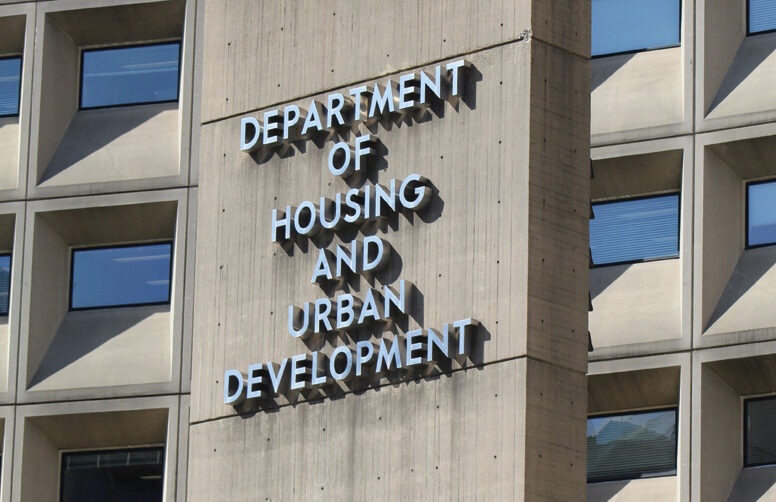
The Department of Housing and Urban Development (HUD) on January 30, 2026 advised LeadingAge that new Operating Cost Adjustment Factors (OCAFs) for 2026 will be posted to the Federal Register on February 3, 2026.
HUD’s move follows LeadingAge’s participation in a January 26, 2026 coalition letter to the agency requesting immediate release of the agency’s Operating Cost Adjustment Factors (OCAFs) for 2026.
Published each year by HUD, the OCAFs determine how much federal subsidy affordable housing communities with project-based Section 8 rental assistance receive each year to meet operational expenses and keep rents affordable for residents with low incomes. The OCAFs are used to set and adjustment property budgets by property owners and managers serving hundreds of thousands of low-income households nationwide.
The OCAFs are calculated based on market factors and are intended to accurately account for increases in utility, insurance, staffing costs and more in each year’s affordable housing operations budget for various HUD programs. The OCAFs take effect for any property with a contract renewal or anniversary date on or after February 11; because housing providers submit budgets and other financial procedures 120 days in advance of the budget renewal date, the OCAFs are needed months in advance of the February effective date.
The agency usually posts the factors in October or November, but was delayed due to the shutdown in early Fiscal Year (FY) 2026, according to HUD leadership. The interruption has caused budget approvals to be significantly delayed for FY26 for those with budget cycles that begin in the Spring, and will result in funding delays for updated rent schedules for impacted properties. Additionally, properties have not yet been able to fulfill their obligations to notify tenants 30 days in advance of certain financial changes at the property associated with the OCAFs, leading to further funding delays.
With another shutdown looming and the effective date for the factors quickly approaching, LeadingAge and other groups, including the National Leased Housing Association, who led the effort to write the letter, call on the agency to immediately publish the critical OCAFs.
The letter to HUD reads: “We recognize the complexity of HUD’s work and the many demands on the Department’s resources. However, the timely publication of OCAFs is a critical regulatory function with real-world consequences for property operations and resident services. If there are any obstacles preventing publication that stakeholders can help address, we stand ready to assist.”
The delays show not only the “real world impacts” of the regulatory process, but also highlight the consequences of government shutdowns and staff reductions at the agency. HUD’s Office of Multifamily Housing lost approximately 30% of its staff in 2025, and the office that handles the regulatory clearance process is now also thinly staffed, according to the agency.
Read the letter here.

 Analysis: Home Health CY2027 PPS Proposed Rule