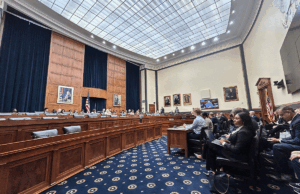
In a press release related to a press conference held in Philadelphia on August 4, 2026, the Trump administration touted recent Medicaid home care fraud charges and expansion of a Fraud Taskforce as a whole-of-government approach to fraud detection and prosecution. The National Fraud Enforcement Division expanded the Northeast Health Care Fraud Strike Force to Philadelphia and the surrounding areas to include coordination and collaboration with the Pennsylvania Attorney General and the Department of Justice Eastern District of Pennsylvania. The release and remarks in the press conference referenced the Eastern District of Pennsylvania’s strong track record in healthcare corporate accountability, and connecting this record to a systemic fraud crackdown in Pennsylvania and surrounding geographies. The release goes on to discuss charges against individuals in what appear to be consumer-directed individual arrangements where Medicaid was billed for services that were never rendered.
Remarks at the press conference were delivered by officials representing multiple departments within the administration from the Department of Justice to the Federal Bureau of Investigation. Centers for Medicare and Medicaid Services (CMS) Administrator Mehmet Oz and Deputy Administrator Kim Brandt recounted the efforts of the in rooting out fraud at CMS. Administrator Oz and Ms. Brandt both challenged the program integrity enforcement in Pennsylvania, citing high utilization of personal care services and exponential growth in utilization of Applied Behavioral Analysis (ABA), a service available to children with Autism. The CMS team used the opportunity to announce a toolkit for states on ABA. Brandt noted the removal of 1,067 in California alone, representing a 47% reduction in hospices in the state.
While all fraud is bad, particularly in stealing resources, the reputational harm to home and community-based services (HCBS) is also deeply concerning to LeadingAge. The release and press event conveyed messaging relating to the administration’s comprehensive and coordinated expansion of anti-fraud activities at a government-wide level, though returned relatively small totals in fraudulent claims activity. There are surely bad actors that should face full extent of legal recourse, for example, “As alleged, there were nearly 400 days on which the defendant claimed to be working for more than 24 hours in a day.”
With regard to the ABA toolkit, the messaging used to release the toolkit indicates that the service is at risk because of program growth and implies the exploitation of children that do not need the service. These accusations further the narrative and degenerative rhetoric around HCBS. On balance, we have concerns with the pervasive messaging by the administration diminishing trust in HCBS, particularly coupled with the administration’s recent policy shifts away from community integration and novel Olmstead interpretation.
The release is available here, and the press conference is available here.


 TEP Report Hints At Home Health Value Based Purchasing Potential Changes