Lessons Learned: Building Tech Support Programs for Older Adults
Navigating the challenges of building sustainable, person-centered technology support and training programs for older adults, while not a new issue, is certainly constant—and the solutions are always evolving. While serving as a session moderator at the early February Net Inclusion 2026 conference, which advances digital equity, I had a unique opportunity to learn some of the latest approaches to tackling this problem—and gained insights that are broadly applicable to providers in a range of care settings and community types.
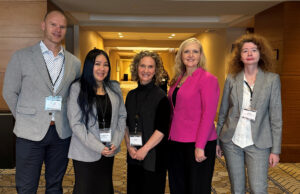
Rather than talking in the abstract, the session brought together four organizations that are actively doing this work in different ways, across housing, community-based programs, and organizations with multi-state footprints or national reach. What stood out was not just the diversity of models, but how much shared learning has already happened in this space.
Four Organizations Doing the Work
2Life Communities – Holistic Resident Technology Program
Anna Verbuk, director of the resident technology program at 2Life Communities, a LeadingAge member, shared how the organization evolved from a traditional computer lab model into a holistic resident technology program embedded within affordable senior housing. Their approach includes digital skills education, one-on-one troubleshooting, and access to internet-connected devices. What makes the program notable is its emphasis on trust and continuity. Residents work with the same staff over time, which becomes especially important when issues like scams or security concerns arise. The program now serves hundreds of residents with a relatively small team by being intentional about scope, curriculum, and relationship building. You can learn more by reading their recent case study.
Cyber-Seniors – Intergenerational Support
Christine Calderon Caruso, executive director at nonprofit Cyber-Seniors, which provides older adults with tech training online and in communities, described an intergenerational model, which pairs older adults with trained youth mentors for one-on-one and small-group support. What started as a school project has grown into a national program offering in-person training, live daily webinars, recorded content, and ongoing tech support. The model is as much about confidence and connection as it is about skills, benefiting both older adults and the young people who mentor them.
Older Adults Technology Services (OATS) from AARP – Senior Planet – Accessible Classes
Lori Kristofka, account manager of the national licensing program at Older Adults Technology Services from AARP, or OATS, outlined how Senior Planet operates as a national platform and partner network. Through its licensing program, OATS works with community-based organizations to develop local trainers and deliver world-class programs to older adults. In addition to in-person programming, Senior Planet offers free virtual classes, a national tech support hotline, and a wide range of online resources that communities can plug into immediately. The emphasis is on accessibility and consistency.
digitalLIFT – Direct, Personalized Technology Assistance
Kami Griffiths, founding executive director of digitalLIFT, which provides organizations with digital training and capacity building, shared the organization’s long history of working directly with older adults in community settings, particularly through multilingual, one-on-one, and small-group support. A key focus of their work is training staff and volunteers at older-adult-serving organizations to deliver technology support themselves.
digitalLIFT’s experience reinforced an important point echoed throughout the session: Devices alone don’t close the digital divide. Training, patience, and human connection matter just as much.
Key Learnings for Effective Tech Support
- Don’t Start from Scratch
Mature, well-tested models are already in place. Whether exploring partnerships, licensing programs, or openly shared toolkits, organizations can build tech support programs faster and more sustainably by learning from those who have already made the mistakes and achieved some successes. - Invest in Volunteers
Every panelist emphasized that volunteers are valuable but not “free.” They require structure to deliver their best for your organization. Setting clear roles and providing training, orientation, and ongoing support are essential. Programs that invest in volunteers see better outcomes and less strain on staff. - Relationships Matter as Much as Technical Skills
The importance of trust is a recurring theme. Tech support staff and volunteers who develop relationships with older adults, especially those who are new to technology, are likely to foster better opportunities for learning. Older adults are far more likely to ask questions, report suspicious activity, or stick with learning when they have a consistent, trusted person or program to turn to. - Smaller, Slower, and More Personal Works Better
Large classes and long sessions often overwhelm learners. Smaller groups, shorter sessions, repetition, and hands-on help dramatically increase confidence and follow-through, especially for people new to technology. - Funding Works Best When It’s Mixed and Intentional
Successful programs rarely rely on a single funding source. Agency support, grants, donors, partnerships, and in some cases resident fees all play a role. Sharing clear impact stories with donors help unlock and sustain that funding.
Strong Models Abound
What became clear during my Net Inclusion panel is that tech support and training for older adults is not a “nice to have”; it is a vital aid to ensure quality of life and well-being. Residents in the Boomer generation often bring their technologies and expectations into communities with them. However, as even more devices, services, and communication continue to move online, structured and compassionate technology support is a core infrastructure for aging services—serving Boomers and older generations.
The good news is that organizations don’t have to figure this out alone. From “home grown” services such as Jewish Home’s TekHub, which last year expanded to serve the larger community in Rochester, NY, or specific jobs such as resident technology support director, strong models already exist. Better yet, sharing expertise is part of the sector culture. Check out these resources and this blog post from 2Life for more on building a successful digital tech support program.
Most Recommended
Recently Added
September 30, 2026
Colleagues on the Move, September 30, 2026

September 29, 2026
LeadingAge Endorses Bipartisan, Bicameral Housing Preservation Bill

September 28, 2026
 SNF Resident MA Disenrollment: CMS Guidance Stands
September 28, 2026