Adult Day, PACE, and HCBS
LeadingAge provides operational, legislative, regulatory and funding updates and resources to keep members who serve older adults in adult day, Programs of All-Inclusive Care for the Elderly (PACE) and other home and community-based services settings informed.
Get Connected!
Join the LeadingAge Adult Day, PACE, and HCBS Member Network. To connect with other adult day, PACE, and HCBS providers, LeadingAge members can join member networks via the member networking page, or by contacting Georgia Goodman.
Latest Adult Day, PACE, and HCBS Insights






Latest Adult Day, PACE, and HCBS Insights
Setting Specific Tools and Information
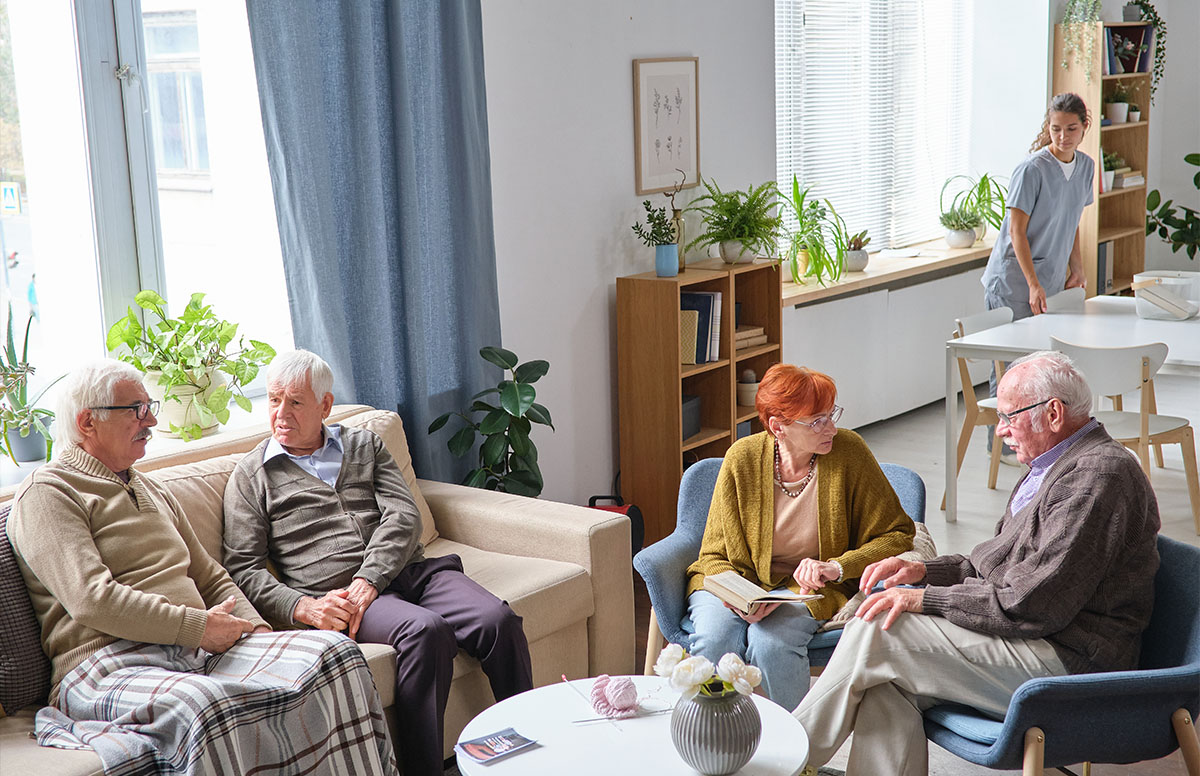
Adult Day programs provide a safe space for community-based socialization and activities along with meals and supportive supervision at an adult day center. Programs can fall into one of two models: medical or social. More intensive and clinical services such as medication management, therapies, or wound care may be provided by medical model programs. The links below provide access to relevant information and resources related to adult day services, including Veterans Affairs fee schedules, Medicaid home and community-based services regulations and compliance.
Programs of All-inclusive Care for the Elderly (PACE) provide community-based services and healthcare from an adult day center. PACE offerings are available to adults over age 55 capable of living independently, eligible for supports based on a functional needs assessment. PACE, a fully integrated model, provides enrollees with all necessary health and supportive services. Prevention and stabilization services are wrapped around PACE program participants to mitigate risks of falls and other acute episodes to keep participants healthier and safer, while also keeping costs down for the PACE program. Via the links below, access relevant information and resources related to PACE, including regulation, guidance archives from the health plan management system, and more.
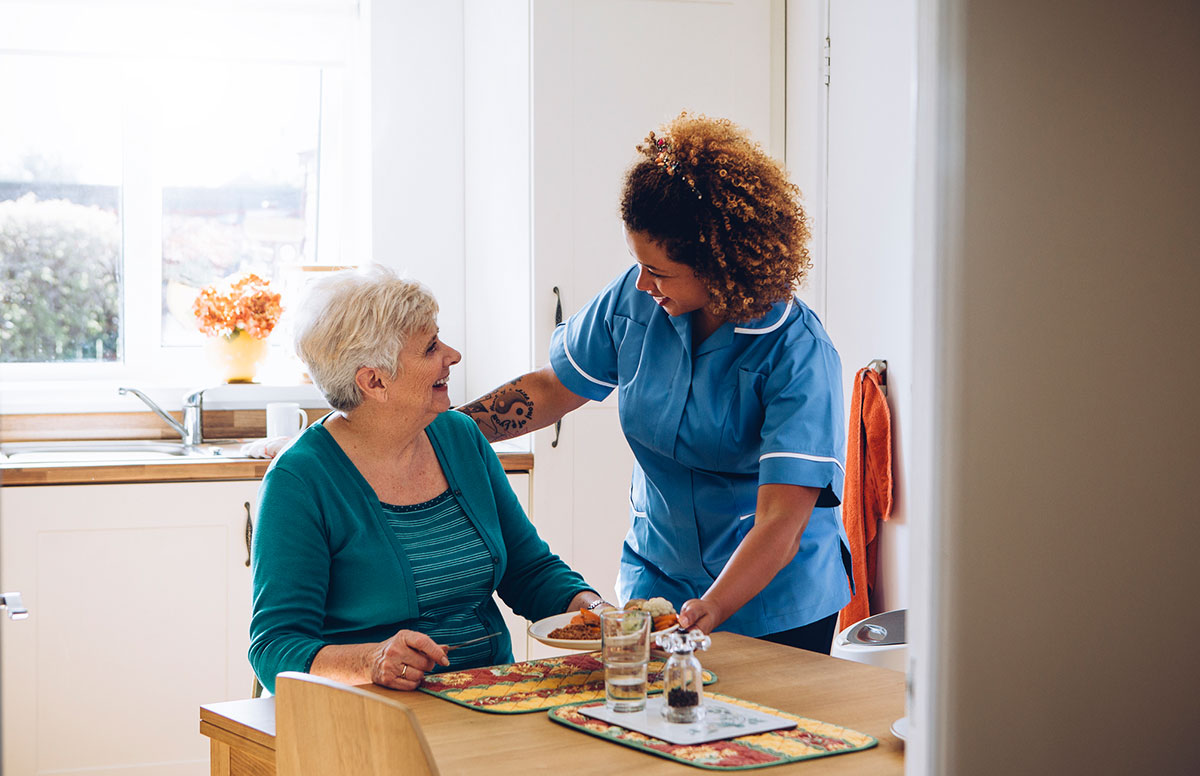
Home and community-based services, or HCBS, in the Medicaid program provide supports to individuals in their home or in the community with the goal of keeping them safe, healthy, and independent. To enroll in these services, individuals must meet both financial and clinical eligibility requirements. States have latitude in developing the thresholds for financial eligibility as well as the tools used to determine clinical need. Once enrolled, participants will undergo a person-centered planning process to assess and determine services available and necessary to meet their needs. The links below provide information on regulations and more.
Featured Resources



 Weekly Medicaid HCBS and PACE Recap (Members-Only)